These records are found in the online catalog of The Mariners’ Museum and Park in Newport News, Virginia. Uncurated search results are presented to give researchers and interested readers an idea of whether the museum’s archives contain information about this vessel and whether it may be worthwhile to visit the museum’s catalog search page for further investigation. Uncurated results may be inaccurate or incomplete.
Mariners Museum online catalog search, July 12, 2026. Search phrase: "Nellie". Catalog returned 70 records; this selection table includes 70 records fetched through catalog result pages.
Use these buttons to send uncurated search results to your own app or text document for further research. First, check the box for any row, or click "Select All" then uncheck any rows. Then click "Show Selections". You can then copy your selections from the text box and past them into your app.
NOTES: There is an old paper label stuck to the back of the frame. NOTES: There is a schooner NELLIE listed in "Merchant Vessels of the United States" from its earliest volume, 1868 through the 1876-1877 volume.
Steamboats–United States.; Tugboats–United States.
Shows a port side view of a steam lighter, her deck loaded with cargo. Stanton's notebooks contain the following information about this item: "May 16, 1894"
Shows a port side view of a tugboat at work, her bow is pushing into another vessel. Stanton's notebooks contain the following information about this item: "Sept 27 1894", "Trip at Boston with HF Sprague"
Full standing photograph of a young girl dressed in skins, smiling at the camera. Noted on verso: Nellie, the daughter of a whaler and an Eskimo woman known as Queen of the Arctic, poses for the camera dressed in furs. Nellie was brought to the United States and educated.
INSCRIPTION: LABEL ON BACK OF THE PHOTOGRAPH: HIGH-LINE MACKEREL SCHOONERS, NELLIE M. ROWE, (CAPT. EBEN LEWIS, EDWARD E, WEBSTER (CAPT. SOLOMON JACOBSEN), AND WARREN J, CROSBY (CAPT. HANS JOYCE.). THE TWO FORMERS VESSELS THE ROWE BEING ON THE LEFT AND THE WEBSTER IN THE MIDDLE BELONG TO GLOUCESTER, THE OTHER HAILS FROM PORTLAND, MAINE. THE CAPTAINS OF THOSE VESSELS ARE THE TREE MOST FORTUNATE MACKEREL FISHERMEN OF THE UNITED STATES;THEY ARE CALLED THE THREE GREAT "FISH KILLERS". GLOUCESTER, MASS., 1882. (PHOTO.NO. 2104) U.S. FISH COMMISSION, BULLETIN 27, P.714, U.S. NATIONAL MUSEUM.
CURATOR NOTES: View looking across the water at Gloucester, Massachusetts. Three schooners are docked in foreground. ALBERT BARNES COLLECTION.
Prohibition–History–20th century–Prince Edward Islands–Prince Edward Island; Smuggling–History–20th century–Prince Edward Islands–Prince Edward Island
The Nellie J. Banks : - the life history of a Nova Scotian schooner with a Newfoundland crew that helped Prince Edward Islanders cope with prohibition - Geoff and Dorothy Robinson
LITTLE NELLIE (SCREW STEAMER: 1874) - CORONA (SCREW STEAMER: 1892) - EDDIE H. GARRISON (SCREW STEAMER: 1888)
Corona - (tug) see - Little Nell - (tug); 1264
Steamboats–United States.; Tugboats–United States.
Shows at least six tugboats from the foreground to the background. Stanton's notebooks contain the following information about this item: "May 15, 1895"
Steamboats–United States.; Tugboats–United States.
Shows a starboard side view of the bow of a steam lighter moored at a wharf, in the background a tugboat can be seen. Both of these vessel belong to the Old Dominion Steamship Company. Stanton's notebooks contain the following information about this item: "Jun 13, 1894"
Shows two paddle steamers moored together near shore. Several barges loaded with coal are nearby and city buildings can be seen in the background. This item is not found in Stanton's notebooks.
Shows a port side view of two tugboats making way. In the background sailing ships and steamboats can be seen. Stanton's notebooks contain the following information about this item: "No's 2214 to 2260 inclusive, taken by R.A. Weed, on trip to Maine," "July 30, 1896, Boston"
Photocopy of notes written identifying the date of birth of Siah Carter as well as the birth dates of his two daughters Marion and Nellie. The notes also indicate a cousin of Siah Carter's wife Eliza named Charles Morris.
VESSEL INFORMATION- VESSEL NAME: WEST POINT SHIPBUILDER LOCATION: NEW YORK, NEW YORK VESSEL HISTORY: 239 T; built 1849 at New York. Sold to aliens 1854 (MSVUS 1807-1856) WEST POINT: Built 1849 at New York, NY by Brown & Englis; wooden paddle; Tonnage 239 94/95; Dimensions: 147 x 24 ft. 8 x 6 ft 6; Engine: no data available; Owner Thomas Wright; Registered Nov. 16, 1849 at New York, data taken from this register. Sold to aliens 1854. WEST POINT: Built 1860 at Keyport, NJ, by Benjamin C. Terry; wooden paddle; Tonnage 409 57/95; Dimensions: 180 ft. 8 x 27 ft 4 x 8 ft 8; Owner Joseph C. Rowe of Norfolk, VA; Registered 1860 at New York, data taken from this register. In a list of engines built by Fletcher, copied from an early copy of Nautical Gazette the following information is given on the WEST POINT: Engine # 10, Vertical beam 40 inch cylinder, 120 inch stroke, built for steamer WEST POINT in 1860, dimensions given as 175 x 27 x 8. No information as to the final disposition of vessel. Lytle List says Lost in 1862, but the disaster is given as the same one attributed to the WEST POINT of 1841. WEST POINT: Built at Niagara, Canada, wooden paddle, Tonnage 587; Dimensions 172 x 22 ft 8 x 10; Vertical beam engine, 42 inch cylinder, 120 inch stroke; Owner A. Right & others; New boilers 1856, large repairs 1857; This information taken from American Lloyds Register 1863. Baltimore Sun, August 16, 1862 and Aquia Creek, VA., August 14, 1862: A collision occurred on the Potomac River last night (August 13, 18620 off Ragged Point between steamers GEORGE PEABODY and WEST POINT with loss of 73 lives. The WEST POINT was bound to Aquia Creek, VA., from Newport News with convalescent troops of General Burnside’s Army. She sank in 10 minutes. Baltimore Sun, April 7, 1863 Several months since, the WEST POINT collided with the GEORGE PEABODY and had her bow so badly damaged that she sank, she was subsequently raised and sold to the Individual Enterprise Steamboat Co. for $2,200 taken to the yard of Beacham Bros., where she was thoroughly overhauled and being an English bottom, her name was changed to NELLIE the name of a daughter of the President of the Company. Hull 200 x 36 x 12, Engine 46 x 120. A trial trip was made a few days ago. Baltimore Sun, December 2, 1865, NELLIE PENTZ x WEST POINT was totally wrecked during gale of November 30, 1865, she was in government employ and was enroute New York to Fortress Monroe, she was driven ashore at Lynhaven Bay and shortly afterwards broke in three pieces. She was owned by the Individual Enterprise Line. NELLIE PENTZ; built at Niagara, Canada, wooden paddle; 750 tons; dimensions 173 ft 4 x 20 x 9; Engine: no data given; Owner S. J. Pentz; Information taken from American Lloyds Register 1865.
United States–History–Veterans. Civil War, 1861-1865
Survivors' benefits–United States.
Photocopy of a one-page affidavit in which both Henry Willis and Howard Bayle state that at the time of the application for pension that was completed by Eliza Hulett, she had two children under the age of 16 named Nellie Hulett and Marion Hulett. Their father was Siah Hulett, alias Carter, formerly of the USS Commodore Barney. The original document was dated April 19, 1892.
CURATOR NOTES: Stern view of FLORENCE BELLE docked alongside of NELLIE HUDSON 3#. Coal barges seen docked near FLORENCE BELLE. SAMUEL STANTON COLLECTION.
NEW BEDFORD - MASSACHUSETTS - UNITED STATES - Related Place
NOTES: William L. Baker was born on July 1, 1859, the son of Joel and Mary W. Baker. He served on the following whaling vessels: Charles W. Morgan, Bark, 1878-1881; Hope On, 1881-1883; Ocean, Bark, 1883-1884; Lagoda, Bark, 1887-1888; Mermaid, Bark, 1891-1892; A man named William L. Baker was the first mate aboard the whaler Rosaria in 1898 when the ship was lost at Point Barrow; Canton II, Bark, 1899-1900, Wanderer, Bark, 1903-1904. He married Nellie Grant on April 25, 1912, and died in 1926. INVENTORY: one becket - there is one (1) component part
One page letter on Iron Clad Manufacturing Company letterhead to Albert E. Booth regarding pricing for soda fountain tanks. Signed by Elizabeth C. Seaman, President and Treasurer of the company. Of interest is the vignette with the trademark of the company on the letterhead which features a view of the Monitor.
Tri-fold leaflet promoting the products of the Iron Clad Manufacturing Company. Leaflet has the facsimile signature of Elizabeth Cochrane Seaman, President and Treausrer of the company from 1904-1922.
O8732 - The completely clean vehicle is shown as its motor is "killed", carbon burned out, and with all movable sections of the motor removed and wrapped separately. All serial numbers, identification, etc, is being taped. Shown in the act of taping is Nellie Gallagher, removing motor part, Eula Craig, and standing by the running board, Dolly Ship. Pvt. M. P. Laflin holds the spray gun. 7-14-1944 Official Photograph, U. S. Army Signal Corps, HRPE, Newport News, Va.
Vehicles, Military–Virginia–Newport News.; Civilians in war–Virginia–Newport News.; Packing for shipment.
Two women and a man, all in civilian clothes, process a truck. One woman tales something on the hood, the other takes the air filter cover. The man in a pit under the truck wears a raincoat and rain hat with a respirator. This is part of the process to ready it for shipping.
Left to right: Mrs. Nellie Litton, 532 G St., Copeland Park, Newport News, Va.; Mrs. Mary Solomon, 235 27th St., Newport News, Va.; Mrs. Ida Campbell, 321 44th St., Newport News, Va.; and Mrs. Rosa De Jarnatt, 404 Central Ave., Hilton Village, Va. Above are employees of Mrs. Mary Solomon (standing) who has the Tailor Shop Concession of the Main PX, Camp Patrick Henry, Va.
Tailors–Virginia–Newport News.
Shows women at work at sewing machines, they are probably tailoring clothes purchased at the CPH PX.
F-9825 - Processing 105 mm. guns are left to right, Mrs. Nellie Gallagher and Miss Jerrie Grant. Photo taken at Whse, 29, HRPE, Newport News, Va. 9-11-44 Official Photograph, U. S. Army Signal Corps, HRPE, Newport News, Va
M101 (Howitzer).; Civilians in war–Virginia–Newport News.; Women in war–Virginia–Newport News.
Two women in civilian clothes process a Howitzer for overseas travel. Both are working on the back of the shield, one appears to be applying the rust-preventive coating.
F-9828 - All feminine crew is shown processing 105mm. guns. Left to right, Mrs. Nellie Gallagher, Miss Jerrie Grant, Miss Hazel Register, Mrs. Elsie Briddle, forelady, Mrs Mary McDaniel and Miss Ernestine Heidenthal. Photo taken at Whse, 29, HRPE, Newport News, Va. 9-11-44 Official Photograph, U. S. Army Signal Corps, HRPE, Newport News, Va
M101 (Howitzer).; Civilians in war–Virginia–Newport News.; Women in war–Virginia–Newport News.
A group of women in civilian clothes process a Howitzer for overseas shipping. Some of the women cover openings with paper and tape, some seem to be applying waterproofing agents.
B8758 - Broadside view of the HR 436 docked at the north side of pier 2, HRPE, Newport News, Va. just prior to sailing. 7-12-44 Official Photograph, U. S. Army Signal Corps, HRPE, Newport News, Va. 4/20/44 "CONFIDENTIAL" stamped in red ink
Front quarter view of the Calvin Coolidge at pier. The front of the gun platform has three women's names painted on it Louise Smith, Bette Wycom, and Nellie Ulinger.
J6382 - Bride and bridegroo., Cpl. Nelli Breeden Morris and Pfc. James Morris, are shown cutting wedding cake as wellwishers look on. 2-9-44 Official Photograph, U. S. Army Signal Corps, HRPE, Newport News, Va.
Parties–Virginia–Newport News.; Military weddings–Virginia–Norfolk.
The newly married couple poses with their hands on the cake server, smiling at the camera. They are surrounded by WACs.
VESSEL INFORMATION: American paddle side-wheel steamboat built in 1853, at New York 320 tons. Ran on the Shrewsbury River until 1855, when she was sold for $13,600 for use on the Potomac River. Her engine was later placed in the NELLIE WHITE built in 1866, and in 1867 was put into the EMMA GILES. Originally registered at Perth Amboy, NJ.
NOTES: Sketchbook No. 40 of pencil drawings created by Antonio Jacobsen from 1878 to 1918 for his artworks. VESSELS LISTED IN SKETCHBOOK NO. 40, DATED 1893 SCHWANDEN (Bark) (Vessel Built 1879) VESTA (Screw Steamship) (Vessel Built 1913) EL RIO (Screw Steamship) (Service Dates 1893-1922) SCHWANDEN (Bark) (Vessel Built 1879) C.P. RAYMOND (Screw Tug) (Vessel Built 1893) THINGVALLA (Screw Steamship) (Service Dates 1874-1903) EDWIN BAILEY (Screw Tug) (Vessel Built 1892) LYDERHORN (Screw Steamship) (Vessel Built 1893) MASSASOIT (Screw Steamship) ALBANA (Screw Steamship) CONDE WIFREDO (Screw Steamship) (Vessel Built 1889) BOSTON CITY (Screw Steamship) (Service Dates 1893-c1903) DON JUAN (Ship) (Service Dates 1871-1893) NELLIE L. TICE (Screw Tug) (Vessel Built 1860) COL. E.A. STEVENS (Screw Tug) (Service Dates 1888-1903 HERMAN W. JARLSBERG (Screw Steamship) (Vessel Built 1890) MACDUFF (Ship) (Vessel Built 1877) CROFT (Screw Steamship) (Vessel Built 1891) THERESA VERDON (Screw Tug) (Vessel Built 1892) HOLLINSIDE (Screw Steamship) (Vessel Built 1890) LYNDHURST (Screw Tug) (Vessel Built 1881) SALERNO (Screw Steamship) THOMAS WINSMORE (Schooner,3) (Vessel Built 1891) CASTILLIAN PRINCE (Screw Steamship) (Vessel Built 1893) EXCELSIOR (Lighter) HENRY A. CRAWFORD (Screw Tug) (Vessel Built 1873) ONEIDA (Screw Steamship) (Service Dates 1885-1921) N.F. JONES (Screw Tug) (Vessel Built 1884) TOURIST (Screw Tug) (Service Dates 1894-1907) CROATAN (Screw Steamship) (Service Dates 1881-1898)
B8683 - Broadside view of the HR 436 docked at the north side of pier 2, HRPE, Newport News, Va. just prior to sailing. 7-13-44 Official Photograph, U. S. Army Signal Corps, HRPE, Newport News, Va. 4/20/44 "CONFIDENTIAL" stamped in red ink
Front quarter view of the Calvin Coolidge at pier. The front of the gun platform has three women's names painted on it Louise Smith, Bette Wycom, and Nellie Ulinger.
WRITTEN ON VERSO: BUILT 1901 AT SALISBURY,MARYLAND. OWNED 1941 BY RIGGIN FREIGHT. 37T, 71.3 X 21.3 X 6. PHOTO OF LAUNCHING OF ROUND STERNED BUGEYE MARGARET A. TRAVERS AT YARD OF OTIS S. LLOYD, SALISBURY, MARYLAND, MAY 29,1901.
photograph
CURATOR NOTES: View of those in attendance to launching party. Those identified in photo, Mr. Travers, owner. Miss. Nellie Leatherbury, and Captain Otis S. Lloyd.
United States–History–Veterans. Civil War, 1861-1865
Childbirth–United States.; Survivors' benefits–United States.
Photocopy of a one-page affidavit in which Carrie Willis swears that she was present for the birth of Nellie Hulett, who was one of the daughters of Siah and Eliza Hulett. The original document was dated June 10, 1892.
Shown at Camp Patrick Henry during the Third Service WAC Basketball Tournament is the team representing Aberdeen Proving Grounds. Front row, left to right: Sgt Grace E. Rowlison, A-703472, Lincoln, Nebraska; Tec 3 Clarice A. Newhen, A-704125, Duluth, Minn.; Tec 4 Gloria R. Epstein, A-202882, New York, NY; Tec 5 Nellie L. Henry, A-700997, Centralia, Mo.; and Tec 4 Nell McCullen, A-410767, Lakeland, Fla. Rear row, left to right: Tec 5 Martha B. Gunter, A309790, Lynchburg, Va.; Tec 4 Elizabeth E. Bates, A-215837, Syracuse, NY; 1st Lt Ruth C. Shoemaker, L-201656, Hampstead, NY; Coach 1st Lt. Marie A Naecker, L-303790, Washington, DC; Tec 4 Jane M. Brucker, A-225563, Camden, New Jersey; and Tec 4 Maire A. Poremba, A-603464, Buffalo, NY.
Group portrait of WAC basketball players including nine athletes, their coach, and commanding officer. The wall behind them is decorated with 8x10 prints.
Manuscript by William Flye: Mrs. Nellie M. Poage, With the compliments of her Uncle William Flye 1862; 1886. The original was taken on the James River, Virginia, in the summer of 1862. Photographer's stamp: Z. B. OSGOOD, PHOTOGRAPHER MAIN STREET DAMARISCOTTA, Me.
Armored vessels–Pictorial works.
Second Assistant Engineer Albert Bogart Campbell (left) and Lieutenant William Flye (with binoculars) looking at dents in the Monitor turret armor. View on deck looking forward on the starboard side, while the ship was in the James River, Virginia, 9 July 1862. The turret, with the muzzle of one of Monitor's two XI-inch Dahlgren smoothbore guns visible, is at left, with the armored pilothouse beyond. Note dents in turret armor (far left) from hits by Confederate heavy guns. This print is of the left side of the stereograph. The photograph was presented by Flye to his brother Edwin's daughter, Mrs. Nellie M. Poage.
F-9827 - T/5 Philbrich, 31210740, and Miss Tilley Feddy are shown swabbing barrel of 105mm. gun with cosmoline. Photo taken at Whse, 29, HRPE, Newport News, Va. 9-11-44 Official Photograph, U. S. Army Signal Corps, HRPE, Newport News, Va
M101 (Howitzer).; Civilians in war–Virginia–Newport News.; Women in war–Virginia–Newport News.
A woman in civilian clothes and a man in coverals apply a cosmoline covered rag to the inside of the barrel of a howitzer. This is a brown weatherproofing agent that is removed when it arrives at its destination.
L7876 - Group of nurses at Camp Patrick Henry about to embark for overseas. These nurses were formerly stationed at CPH Station Hospital and Kecoughtan General Hospital. 5-17-44 Official Photograph, U. S. Army Signal Corps, HRPE, Newport News, Va.
Portraits–Virginia–Newport News.; Women in war–Virginia–Newport News.; Civilians in war–Virginia–Newport News.
Miss Rowe, in a white civilian blouse, is seated at a wooden desk. She poses with a pen, as if to write on the paperwork in front of her. A woman is seated on either side and four stand behind her, all but one are civilians.
J6380 - Chaplain Weisenbach, HRPE Battalion Chaplain officiates at wedding ceremony og Cpl. Nelli Breeden, 2nd WAC Company and Pfc. James Morris, MTO. Sgt. Marjory Burns is bridesmaid and Pfc. Michail Orlandeo, best Man. The ceremony was performed in the new Chaple at NAB. 2-9-44 Official Photograph, U. S. Army Signal Corps, HRPE, Newport News, Va.
Parties–Virginia–Newport News.; Military weddings–Virginia–Norfolk.
Shot from beside the officiant, shows the four celebrants lined up at the altar. The officiant has a rosary hanging from his sash, and the bride carries, instead of a bouquet, a small book with ribbons and flowers trailing from it.
J6381 - Left to right, Pfc. Michael Olando, best man, Pfc. James Morris, Bridegroom, Cpl. Nelli Breeden, bride and Sgt Marjory Burns Bridesmaid. Capt. P. Peyton and Lt. Archer are shown in second row. Photo taken at the new Chapel at NAB. 2-9-44 Official Photograph, U. S. Army Signal Corps, HRPE, Newport News, Va.
Parties–Virginia–Newport News.; Military weddings–Virginia–Norfolk.
Shot from the altar, shows the four celebrants lined up at the altar. The bride carries, instead of a bouquet, a small book with ribbons and flowers trailing from it.
The second Amphitrite—an iron-hulled, twin-screw coastal defense monitor—was laid down in 1874 at Wilmington, Del., by the Harlan and Hollingsworth yard; launched on 7 June 1883; sponsored by Miss Nellie Benson, the daughter of a Harlan and Hollingsworth official; and commissioned at the Norfolk Navy Yard, Portsmouth, Va., on 23 April 1895, Capt. William C. Wise in command.
Docked, with several civilians seen on deck. The Amphitrite is photographed here at the Charlestown (MA) Navy Yard on the Charles River
VESSEL INFORMATION - VESSEL NAME: NELLY WHITE SERVICE DATES: 1866-1886 TRADE ROUTE: NEW YORK American wooden paddle side-wheel steamboat built in 1866 at Brooklyn, New York in 1866 for New York Harbor service. She was 180 feet 9 inches in length, 28 feet 7 inches beam, and 8 feet 6 inches depth of hold, tonnage 444. Vertical beam engine having a cylinder of 37 inches and a 10 foot stroke. Shortly after her construction she was used on the Atlantic Highlands route from New York and in July, 1867, was used on the New York and Red Bank route, taking the place of the steamer SEA BIRD that had been destroyed that Spring. She was later sold for service on the Chesapeake, and in 1886 was sunk off Sandy Point. She was eventually raised and her engine that had originally been in the ALICE C. PRICE (built in 1853) was placed in a new hull known as the EMMA GILES. Register spells the name NELLIE WHITE. In 1881 she was purchased by the Tolchester Co. of Baltimore. In 1885 she was running out of the Miles River. In 1886 she was lost off Sandy Point having been in collision with a schooner. See E. E. Lantz “History of the Steamboat on the Chesapeake” No. XI, page 23.
NOTES: Sketchbook No. 32 of pencil drawings created by Antonio Jacobsen from 1878 to 1918 for his artworks. VESSELS LISTED IN SKETCHBOOK NO. 32, 1889 HABANA (Screw Steamship) (Service Dates 1872-1900) DE RUYTER (Screw Steamship) (Service Dates 1873-1894) DAVENTRY (Screw Steamship) (Vessel Built 1889) GLENORCHY (Half Brig) (Vessel Built 1883) ALICE (Half Brig) TEUTONIC (Screw Steamship) (Service Dates 1889-1921) EVVIVA (Half Brig) (Vessel Built 1876) WILLIAM H. MACY (Ship) (Service Dates 1883-1915) CROTON (Screw Tug) (Vessel Built 1881) NELLIE MAY (Screw Steamship) (Vessel Built 1860) KAISER WILHELM II (Screw Steamship) (Service Dates 1889-1908) M.H. FULLER (Barge) WASHINGTON (Bark) (Vessel Built 1874) UNDAUNTED (Ship) (Service Dates 1869-1912) BEATRICE (Schooner, 2) AUGUSTA VICTORIA (Screw Steamship) (Service Dates 1889-1907) TROPIC (Screw Steamship) (Vessel Built 1888) BRITANNIA (Screw Tug) (Service Dates 1879-1931) ALBERT (Screw Steamship) (Vessel Built 1884) EDITH HOUGH (Screw Steamship) (Vessel Built 1869) ORANGE NASSAU (Screw Steamship) (Service Dates 1883-1906) ATLANTA FAIRFIELD (Half Brig) (Vessel Built 1873) MENDEZ NUNEZ (Screw Steamship) (Vessel Built 1870) LA FLANDRE (Screw Steamship) (Vessel Built 1888) OLIVETTE (Screw Steamship) (Service Dates 1887-1918) PLANT LINE, CANADIAN ATLANTIC AND PLANT STEAMSHIP COMPANY, CARACAS (Screw Steamship) (Service Dates 1881-1888) JOSEPH H. PEENE, SR. (Screw Tug) (Vessel Built 1889) ALLIANCA (Screw Steamship) (Service Dates 1886-1924)
Lt. Col. Robert M. Booth, O-19964; 324 King George Ave., Roanoke, Va; 52nd Armored Infantry Bn, 9th Armored Div; graduated of USMA '35. His father was a Colonel, having been graduated from USMA in '07. Lt. Col. Booth sailed from NYPE on 27 Aug. 44, and was captured in Bouray, Belgium, on 22 Dec. 44, after which he was taken to Brunswick, Germany, arriving 22 Jan. 45 with a group of 50 officers and 54 enlisted men. They were marched about 100 miles. On 12 Apr. 45 they were freed by the 9th American Army. On the march the guards were rough with the prisoners, food was inadequate, and Christmas Eve supper was 1/4 cattle beet per man. Germans blocked Red Cross shipments for one month. Daily diet consisted of sweet potatoes, bowl of soup, and ersatz coffee, but there was no ill-treatment of prisoners after arrival at Brunswick, Germany. Photo taken on transport USS GENERAL MONTGOMERY C. MEIGS, Pier 4, HRPE, Newport News, Va.
Ex-prisoners of war–Virginia–Newport News.
Shows two men standing together in front of a gate on board a cargo ship. The man on the right is Lt. Col. Booth. The caption for Lt. Patrick Ward is misplaced on L-14049. It reads: A Paratroop officer returning from overseas. 1st Lt. Patrick B. Ward, O-1286044, 286 Farmington Road, Rochester, New York, 505th Parachute Infantry Regt, 82nd Airborne Div. He has had 52 months' service, and was 27 years old. His mother is Mrs. Nellie Wood, Rochester, N.Y. He embarked 29 Apr 43 from NYPE, and served in Sicily, Italy, and France. He made 31 parachute jumps. The Regiment received a unit citation for its service in France. Lt. Ward was captured on D-Day on 6 Jun 44 in Normandy, and was sent to OFLAG 53, Poland, arriving 16 Sept 44. On Russian advance, they were marched to Hammelburg, Germany, arriving 9 mar 45. He escaped 21 Mar 45 during tank attack, with four other officers, but was recaptured 3 Apr 45 and marched toward Nuremberg. on 9 Apr 45 he escaped with three others early in the morning, and went to Bomberg, Germany. They hid in the woods for two days with no food, heard the Americans were coming, and contacted the 7th Army on Friday 13 Apr 45. They were sent to Camp Lucky Strike, and sailed from Le Havre, France, on the USS GENERAL MONTGOMERY C. MEIGS, on 1 May 1945. Lt. Ward said the prison food was bad, but prisoners were not ill treated.
A Paratroop officer returning from overseas. 1st Lt. Patrick B. Ward, O-1286044, 286 Farmington Road, Rochester, New York, 505th Parachute Infantry Regt, 82nd Airborne Div. He has had 52 months' service, and was 27 years old. His mother is Mrs. Nellie Wood, Rochester, N.Y. He embarked 29 Apr 43 from NYPE, and served in Sicily, Italy, and France. He made 31 parachute jumps. The Regiment received a unit citation for its service in France. Lt. Ward was captured on D-Day on 6 Jun 44 in Normandy, and was sent to OFLAG 53, Poland, arriving 16 Sept 44. On Russian advance, they were marched to Hammelburg, Germany, arriving 9 mar 45. He escaped 21 Mar 45 during tank attack, with four other officers, but was recaptured 3 Apr 45 and marched toward Nuremberg. on 9 Apr 45 he escaped with three others early in the morning, and went to Bomberg, Germany. They hid in the woods for two days with no food, heard the Americans were coming, and contacted the 7th Army on Friday 13 Apr 45. They were sent to Camp Lucky Strike, and sailed from Le Havre, France, on the USS GENERAL MONTGOMERY C. MEIGS, on 1 May 1945. Lt. Ward said the prison food was bad, but prisoners were not ill treated. Photo taken at Pier 4, HRPE, Newport News, Va., for Historical Records.
Ex-prisoners of war–Virginia–Newport News.; Mustaches–Virginia–Newport News.
Shows a man having disembarked on the pier. He is carrying a copy of Welcome Back Soldier. Note, the caption on this 4x5 belongs to L-14046. The 8x10 print reads: Lt. Russell T. Kaufman, O-748670, Louisville, Kentucky, liberated in Nuremberg, Germany, 17 April 1945, shot down at Bastogne, picturesque gay 90 mustache, said "No place ever look so good as Newport News does today!"
Includes table of contents. - Library has digital image. - Rebound by Heckman Bindery, North Manchester, Indiana. - Library's copy presented by Albert M. Barnes. - Signature on title page indicates book once belonged to Nellie E Fisher of Charlotte, Maine.
Washington County (Me.)–Maps.; Washington County (Me.)–History–19th century–Maps.
Scales differ
Real property–Maine–Washington County–Maps.; Genealogy.; Marketing–Maine–Washington County.; Business referrals–Maine–Washington County.
Engraved by Wm. Bracher; printed by F. Bourquin. Includes a classified directory of some of the principal business firms and professional men of the county. Includes historical notes and census data. Relief shown by hachures. The first atlas of Washington County towns, villages, plantations and timber lots, binding together 87 individually engraved maps. Colby's original production run of fewer than 300 atlases was fully It was fully subscribed, sold out, and out of print by 1882. There never was a second printing. This detailed map shows all roads (which are named), railroads, buildings and the business within, wards and or districts, schools, churches, hospitals, jails, cemeteries, parks, wharfs, ship yards, mills, the court house, halls and major manufacturing plants. The maps further identify every property owner by name, and show the precise locations of homesteads, businesses, and roads in those plantations, towns and villages that were inhabited by 1880.
GREENPOINT, LONG ISLAND - NEW YORK - NEW YORK - UNITED STATES - Maker
SHORT DESCRIPTION: Builder’s half hull model, starboard side, made by Henry Steers of the schooner yacht Hope. The model is a basic representation of the vessel's molded lines, without constructional details. The model is not mounted on a backing board. It is varnished and inscribed in black-outlined letters “HOPE”. The stem has minimal rake and has a raked hour-glass shaped upper stern (no counter). It has moderate deadrise and little or no tumblehome. The model depicts a boat with deep draft aft and a keel that slopes up to the forefoot. It has a concave bow and a long sharp entry and a long run aft. The model is constructed of 9 lifts and two wedges, probably pine. The bottom lift is approximately 1-3/8” at the stern and tapers to zero about 28-1/2” from the stern. Lifts 2 through 8 are flat and 1/2” thick. Between lifts 8 and 9 there are two wedges, one at the bow and one at the stern. The wedge at the stern is 1-1/2” and tapers to zero 15-1/2” from the stern. The wedge at the bow is 1-15/16” and tapers to zero 17” from the bow. Lift 9 is the top covering of the model. It curves with the sheer formed by the two wedges. It is 27/32” high at the bow, 13/16” amidships, and ¼” at the stern. The dimensions of the model are 44-3/8” (length overall); 5-3/16” (main breadth), 5” (half breadth), leaving a tumblehome of just 3/16”. Height overall is 6-3/4” (at the stern). The minimum half-breadth of the model is 1/8" along the edge of the stem and stern. On the back of the model there are twenty-one penciled station lines running perpendicular to the lifts. The first station line is about 1" from the sternpost or 3-3/4" from the extreme end of the stern and the others are at roughly 13/16" intervals. There are twenty station lines penciled on the top of the model, the lines get very faint towards the bow so there may be more than twenty. They range in size from 13/16” to 1-7/8” apart. The lifts are held together with three wooden pegs and several screws. There are a few variously sized holes whose purpose is not apparent on the top and back of the model. The model is in fair to good condition. Lifts 2 through 5 are missing pieces at the stern: lift 2 is missing 1-3/4”, lift 3 and 4 are missing 1-7/8”, and lift 5 is missing 1”. The varnish is in good condition with no craquelure. There are minor scratches and dents scattered overall. There are thick scratches over the “P” in the yacht’s name. NOTES: The collection of half models MR 5 through MR 24 are of vessels built by shipbuilders Henry (father), James Rich and George (sons), and Henry Steers (son of James Rich), builders of the famous yacht America. The models document vessels built between 1805 and approximately 1876. They encompass all types of vessels from a catboat up to large steam sloop built for the US Navy. In a February 13, 1963 letter Howard I. Chapelle, Curator of the Division of Transportation at the Smithsonian stated “The Steers Collection is important technically and it is something we envy the Mariners’ Museum’s possession.” NOTES: Text from: Harper’s Weekly, May 11, 1878, page 369 for image (attached) and page 370 for description of new rig: OUR engraving of this handsome craft, shows the new rig adopted some time since for the New York pilot-boats. They are now rigged as nearly as possible like the beautiful and swift-sailing pleasure-yachts that enliven American waters during the summer season, with the modifications needful to fit them for the rough and tempestuous weather they may be compelled to encounter on the cruise for incoming vessels. Text from: Pilots, The World of Pilotage Under Sail and Oar, Vol. 1, Pilot Schooners of North America and Great Britain, pages 82-83. Shows lines drawn by Howard I. Chapelle and provides the following description of the image in Harper’s Weekly: The Hope was a powerful schooner driven hard by an enthusiastic crew. Behind her main boom is the fort on Governor’s Island and over her bowsprit is the Brooklyn Bridge under construction. She is seen here sporting a highly inventive addition to a schooner’s wardrobe, a square topsail on the mainmast. The sheet is led to the boom end like a fisherman staysail but, when arranged conventionally, these sails did not use a year. The lead of the tack is not visible, so perhaps this is some type of hybrid. VESSEL NAME: HOPE, HOPE No. 1 VESSEL TYPE: Schooner, Pilot schooner DESIGNER: Henry Steers BUILDER: Henry Steers BUILDER LOCATION: Greenpoint, Long Island, New York BUILD DATE: 1861 SHIPOWNER: Thomas Boynton Ives (1861); US Government (1861-1865?); New York pilots (1865-1891) SERVICE DATES: 1861 (US Revenue Yacht); 1861-1865 (US Dispatch boat); (1866-1891) pilot boat FATE: Wrecked on Sandy Hook Point March 13, 1891. DIMENSIONS: American Yacht List of 1874: 90’0” (overall length), 84’0” (waterline length), 21’6” (beam), 9’6” (depth), 10’ (draft); 132.40 tons (old), 59.62 tons (new) VESSEL HISTORY: • New York Daily Herald, March 11, 1861: New York Daily Herald (New York), March 11, 1861: At Greenpoint, Mr. Thomas Boynton Ives of Providence, is having built, by Henry Steers, a schooner yacht of one hundred and thirty tons measurement, which will take her rank among the first class boats of the squadron. She will be ready for her element on Tuesday next, when, Providence permitting, the launch will take place about ten o'clock in the morning. She has been christened "Hope," an emblem of the feeling predominant in every yachtsman's breast from the time his pet leaves the stocks until she has been beaten beyond all redemption. Her dimensions are as follows: Length on deck, 91 feet; beam, 21 feet 6 inches; depth, 8 feet 3 inches; length of masts, 74 and 76 feet; topmasts, 29 feet; bowsprit (outboard), 14 feet 6 inches; jib boom (outboard), 15 feet; main boom, 53 feet; fore do., 38 feet. Below, her fittings as regards both comfort and elegance are of the most substantial character. Forward are six berths for her crew with lockers and closets for the disposition of their wardrobes, and a dining table abaft the foremast. This apartment is separated from the kitchen by a bulkhead. The culinary department is of the most commodious character, embracing besides a range a four hundred gallon water tank, a refrigerator and provision locker, a thousand convenient little drawers, corners and crevices, which no one can use or appreciate as well as the cook, or, in maritime parlance, "the doctor." In the rear of the kitchen, and on either side of the passageway leading thence to the cabin, are staterooms and the pantry. Two of the former are fitted up as tastily as a ladies' parlor, are as large as many of our crack hotel attic bed chambers, and embrace all the comforts of a double bed, stationary washstand, drawers, closet, mirror, &c. - no mean belongings to any craft, the reader will echo who has lived on shipboard a month or six weeks. In the floor of one of these is the opening of a tank which holds six hundred gallons of water. On the opposite side of the passageway is the captain's stateroom; another of similar dimensions for extra company, and a pantry. The last includes an ice box and arrangements for dishes, silver and all the paraphernalia of what will readily be understood by the term of "a good time." The cabin is a large apartment, six feet two inches high, furnished in white and gold, and contains four berths, with supernumerary arrangements for improvising as many more. The decorations and upholstery are not yet complete; but they are far enough advanced to convey the most suggestive ideas of comfort and content. • New York Daily Herald (New York), March 14, 1861: Launch of the Yacht Hope. This new and beautiful schooner, of which we have heretofore given a full description, was launched at yesterday noon from the yard of Henry Steers at Greenpoint, L.I. A large "cloud of witnesses" were attracted to the scene, and the presence of a considerable number of ladies, the fluttering of the club signal from the masthead of the new yacht, and the display of bunting from the surrounding craft, invested the occasion with an aspect decidedly festive. The preparations for the launch were completed as early as eleven o'clock. The jib boom had been "housed" to prevent its contact with mother earth as the parting bow was made, riggers had done their work and departed, the few necessary stores, including two beautiful mahogany mounted brass guns, were sent on board, blocks were knocked away, the gangway plank removed, and the tiny vessel rested in her cradle, waiting only the command of the master to glide down the slippery ways into her future element. "Are you ready?" says a clear voice "Aye, aye, sir," is the response. Then "Go ahead!" and in an instant a dozen sledge hammers are driving the wedges to fasten her firmly in her place. This done, the supports beneath the keel are one by one removed, until nothing but her own weight holds the yacht in curb. Mr. Steers moves around to discover the cause of detention. Nothing is apparent, however, and he gives her the aid of a little impetus. A jackscrew is applied under the boat. Still she moves not. "Get out your battering rams," says the builder. A couple of these are accordingly improvised for the occasion from some of the surrounding timbers, and with tremendous force a dozen or twenty strong men drive them against the ends of the ways. They start an inch or two, and so do the crowd towards the end of the dock to see her touch the waters. But still the vessel sticks. A little more effort, and another inch is slowly gained, and another, and another, until, in half an hour, a whole foot has been moved over. The prospects begin to darken. The company on board peer anxiously over the side to see, if possible, what is the trouble. The master too is evidently disconcerted at the idea of a failure. A tugboat is near at hand, and some one proposes to pass a line to her from the yacht, and thus bring a new power to bear. This is accordingly done, and after a few efforts, aided by running up and down the decks of those on board, the yacht is finally started, and amid the cheers of the crowd and the smoke of her own salute, glides gracefully into the water. The new fledgling is a beautiful specimen of art in every sense of the word, and the builder and owner both received the encomiums of a large number of gentlemen connected with the New York Yacht Club. Among others present were the Vice Commodore, Moses H. Grinnell, C. T. Cromwell, and Captain Comstock, late of the Adriatic. • From The United States Revenue Cutters in the Civil War by Florence Kern, pages 8-3 to 8-9: Shortly after the start of the Civil War several yachtsmen in New York offered their services to the Union. Two yachts were accepted (as U.S. Revenue Yachts), James Gordon Bennett Jrs. new 158-ton schooner Henrietta and Thomas Boynton Ives schooner Hope. Both men were commissioned Lieutenant Commanders and given two NCO’s, ten men and $353 a month. Their duties would entail “the fitting out of slavers and other illicit trade” and intercepting vessels carrying “arms and munitions of war unless she is in the service of the United States.” The yachts were armed and dispatched in July 1861. Ives’ Hope was sent to Baltimore where he discovered the port being handled poorly and that “nothing whatever had been done to prevent vessels from leaving the port at any and all times and that after they left the dock no measures were taken to ascertain of what their cargo consisted.” He immediately began organizing a method for clearing and searching vessels. By the first of August they had boarded 150 sailing vessels. Ives was periodically ordered by General John Dix to examine particular steamships and seize any contraband: three trunks of military buttons and buckles were seized from the Mary Washington and eighty colt navy pistols, about 40,000 percussion caps and a third of a barrel of quinine in bottles were seized from the steamer George Weems. Within two weeks Ives had boarded about 39 vessels a day. Hope remained in the Chesapeake until October 11 when she was ordered to New York. On November 4th he asked to withdraw his yacht from the service and four days later she was decommissioned. • Philadelphia Inquirer, November 30, 1861: Despatch Boats for the South.—The yacht Hope, a fine schooner of one hundred and forty tons, was purchased in New York, on Thursday, for the Government. The yacht is present at Providence, R.I., and has been coasting in the revenue service during the past summer. She carries two guns, and can accommodate a crew of twenty-five men. The Hope will be sent to the Navy yard in a few days to receive her crew and stores. She will probably proceed to Port Royal, carrying mails and despatches. o September 12, 1862, Hope, acting master Breeze, was off Charleston. o February 10, 1863: The British schooner Emma Tuttle, from Nassau, with a cargo of salt, saltpetre and earthenware for the rebels, was also captured off Charleston on the 27th ult., by the Navy dispatch yacht Hope. A prize crew was put aboard her from the Keystone State. • Brooklyn Daily Eagle, January 23, 1866: The new pilot boat Hope No. 1, went on her trial trip yesterday down the Bay, steaming from the foot of Bridge Street, about 11 o’clock, with a number of Brooklyn citizens on board. The Hope was originally intended for a pleasure yacht, and was owned by Governor Sprague, of Rhode Island; but was, at the outbreak of the war, sold by him to the government, in which employ she has since been used for revenue and coasting purposes. She was purchased by the pilots for six thousand dollars, but has undergone extensive alterations, in fact has been almost entirely rebuilt, and is now better adapted for her new service. She is now valued at twenty thousand dollars. The following are her dimensions: length, 90 feet; breadth of beam, 21 feet; depth of hold, 9 feet 6 inches and 60 tons burden, new measurement. She is under the command of Captain Thomas Morley, one of the most experienced New York pilots, who is joint owner with Messrs. Carey, Lyons, Roach, Samson and Rush, pilots. The Hope rand down to Sandy Hook, and a few miles outside, proving an excellent sailer, and on the return her speed was tested by a race with the E. F. Williams, counted the fastest boat in the pilot service. The Hope beat the Williams easy, establishing her reputation as a crack boat of the fleet. The trip gave the guests some idea of the hardships of a pilot’s life, and at the same time a specimen of the hearty hospitality of the sailor. Some excitement was created by the hoisting of a green flag, with the sunburst—the Fenian banner, and gave rise to a rumor, gravely reproduced with big headlines in a morning paper, that Fenian privateer had sailed from New York. • The Buffalo Commercial, January 29, 1866 reported: The News a few days ago gave prominence to a statement that a Fenian privateer had slipped out of port and was prepared to do a large “gobbling up” business &c. It appears that a very fast sailing pilot boat, the Hope No. 1, left port for a short trip outside the Hook [this was actually the boat’s sea trials as a pilot boat], and the festive captain, who is an Irishman, ran up the Green Flag as he took his departure, not thinking any one would impute privateering intentions to him on that account. The festive party returned the next day, and were greatly amused at the sensation they had created. The Standard of London indicated that the trip was the vessel’s “trial trip”. • The Evening Star (Washington, D.C.), December 19, 1866 indicated that “the pilots of Boat Hope No. 1 have accepted the challenge of D. Jones (another pilot boat?), for a race from New York to Cowes for fifty thousand dollars.” On January 15, 1867 the Commissioners of Pilots expressly forbid any New York pilot boat, particularly the S.D. Jones and Hope from entering into such a contest and the matter was dropped. • The New York Times, March 13, 1867 reports: Disaster on Pilot Boat #1.—On Sunday, March 10, on board the pilot-boat Hope No. 1, of New York at 3am off Fire Island, Robert Murray, a native of Aberdeen, Scotland, while furling the foresail, fell overboard, and was drowned. The yawls were manned, but the morning was so dark they could not find him. • The New York Times, March 23, 1867 reports: Capt. Thomas Morley, of the pilot boat Hope, No. 1, reports this morning at 6 o’clock, saw steamship Australasian, with signal for pilot flying; blowing a severe gale from east northeast. In attempting to reach her stove the starboard yawl and washed overboard Edward Franklin, a native of France, one of the hands. Every exertion was made to save him but without effort. Soon after split the foresail and bore away for the Hook. • The Bangor Daily Whig and Courier, April 12, 1867 reported that on Wednesday in lat. 40 long 71, saw a schooner flying with colors flying union down. She proved to be the schooner Wm. H. Sergeant of Sedgwick, 35 days from Darien, Georgia board for Norwalk. The captain stated that they had had nothing to eat for four days. She was supplied with provisions by the Hope. • The New York Daily Herald, May 30 1869 reported: The pilot boat Hope was lowered yesterday noon from the central one of the screw docks, near the foot of Market slip, after having her copper sheathing patched and her top side painted. The New York Daily Herald of May 24, 1870 reported that Hope No. 1 was again put in the dock to have her copper patched. • New York Daily Herald, May 6, 1872 reports the Hope was again in the dock to have her metal cleaned and patched. • New York Daily Herald, May 12, 1872 reports: On Friday last, at 9am, 20 miles east by south of Sandy Hook, Frederick Floyd, seaman, aged 23 years of Sweden, was knocked overboard by the jib sheet of the pilot boat Hope No. 1 and drowned. • Brooklyn Daily Eagle, September 24, 1873 reports: Messrs. Poillon are also rebuilding from her original lines the fast pilot boat Hope. • The Brooklyn Daily Eagle, October 8, 1873 lists Hope, Pilot boat #1, 182.64 tons, owned by the New York Pilots. Participating in the Ocean Race for the Bennet Cup on October 9. • New York Daily Herald, March 21, 1874: Thomas Morley is Sandy Hook pilot of boat Hope No. 1. • New York Daily Herald, February 4, 1876 reports: Lost in a Hurricane, Horse Shoe, N.J. February 3, 1876. Thomas Morley, of pilot boat Hope No. 1, reports that on February 2, at half-past five o’clock am ten miles southeast of Sandy Hook lightship, he put William Roache, pilot, on board steamer Egypt; and when the yawl was returning to the pilot boat and within hailing distance, she was struck by a hurricane from west-northwest. All sail was taken in, and no more was seen of the yawl, with Charles Smith and Henry McPherson in her. Fears are entertained that she capsized and the men were drowned, as he could not see anything of them afterward. • Alexandria Gazette, December 3, 1877 reported: The schooner Nellie H. Benedict and schooner Horace Moodie collided off Barnegat and both vessel sank. The crews were saved by the Pilot boat Hope No. 1. In June of 1878 the Pilot Commissioners voted the crew $100 for their efforts. • The Sun (New York), February 21, 1878 reported that the schooner Lucretia, in sinking condition, asked the men of pilot boat Hope No. 1 for assistance in reaching port safely but was told only if he paid $1500. If he didn’t they would cast him off and he would be driven ashore or be carried northeast on the Gulf stream. The captain tried to negotiate better terms but was unable and accepted the terms when the crew of the pilot schooner prepared to cast them off. • The Times (Philadelphia) March 28, 1880: The pilot boat Hope No. 1 escorted the USS Constellation from Brooklyn Navy Yard out past Sandy Hook. The ship was leaving for Dublin with relief supplies on board for the “suffering Irish poor.” • New York Tribune reported December 3, 1880 a collision between the pilot boat Hope No. 1, which was anchored off Stapleton and the schooner John Long. The pilot boat was slightly damaged, the schooner escaped with the loss of her headsail. • The New York Times, February 3, 1885 reported that Thomas Morley of Pilot boat Hope No. 1 was in charge of the ship Werra of the North German Lloyd. When the ship passed Sandy Hook the weather was blowing so furiously he was unable to leave the ship. The ship proceeded to sea with the pilot on board. Pilots caught in this situation were entitled to $100 sea pay per month from the company whose vessel took him from his station. • New York Times, February 23, 1885 reported the pilot boat Hope No. 1 missing, which was looked for about the middle of last week but has not returned to port. She was reported some distance from Sandy Hook before the heavy storms of the week before. The next day pilot Carroll of the Hope No. 1 arrived on an incoming brig and reported the vessel was all right when he left her. • New York Tribune, February 16, 1886 reported the pilot boat Hope was beating down the Bay yesterday noon, and abreast of Quarantine Island fouled the schooner Raymond T. Maull, which was at anchor. The Hope lost her mainmast and fore-topmast, and the schooner her jibboom. • New York Times, August 15, 1886 reported a near mutiny on board the pilot boat Hope No. 1. When the crew were asked to make sail they refused saying they didn’t want to go to sea until the next day. Captain Thomas Morley and the pilots could not persuade the men to do their duty. The Captain of the Sylvan Stream learned of the situation and reported it to the Barge Office which sent word to the police boat Patrol which steamed down the bay and arrested the mutinous sailors. This was the first case on record of a near mutiny occurring on a pilot boat. • New York Times, July 31, 1887 reported that Captain Thomas Morley, one of the oldest Sandy Hook pilots died suddenly. He had served as a pilot on the Moses H. Grinnell and had been on board pilot boat Hope No. 1 for twenty years (he was part owner). • New York Times, August 25, 1887 reported that a wave washed over the boat during an easterly gale and washed the boatkeeper, Charles Waldon, and two unnamed crew overboard. The boat’s foremast was sprung during the storm so the boat was towed to Poillon’s yard to be fitted with a new spar. • The Atlanta Constitution, March 13, 1888 reported The pilot boat Hope, dragged her anchors while off Tompkinsville last night during a blinding snowstorm and went ashore on the rocks off Fort Wadsworth. Her crew is standing by her. • The St. Albans Daily Messenger, April 19, 1890 reported that on April 10 the pilot boat Hope No. 1, was run down tonight by an outgoing steamer while off Owl’s Head, Long Island, and cut to the waters edge. There was a high sea. The steamer refused to render assistance. The Hope’s crew of six abandoned the vessel and she now lies on the beach below quarantine station. The New York Times reported the following day that the ship was refloated and towed to the city for repairs. • The Evening World (New York), March 13, 1891 reported: Wrecked on Sandy Point. The fog which settled down last night grew denser at midnight. At 1:20 o’clock this morning the pilot boat Hope No. 1, went ashore on Sandy Hook Point, in the exact spot where the Scotia was wrecked last year. She struck about fifty feet out from the beach, and in ten minutes her condition was seen to be hopeless. The crew of the Hope were all rescued with great difficulty by Capt. Patterson and his Life-saving crew No. 1. The surf ran very high and the life-savers’ lifeboat was capsized and stove in. The men all got ashore in safety, however. The Hope was pounding very heavily on the rocky beach. At daylight it was seen that the rudder was gone, her keel torn off, and great holes in her hull. She is a total wreck. Her yawl had been washed away. ADDITIONAL INFORMATION: SEE: Yachts and Yachting with over One Hundred and Ten Illustrations, by Fred S. Cozzens and Others, 1887, references on page 65.
SHORT DESCRIPTION: Builder’s half hull model, port side, made by George Steers of the schooner Haze. The model is a basic representation of the vessel's molded lines, without constructional details. The model is not mounted on a backing board. The model is varnished and is inscribed in black-outlined letters “HAZE.” The model has a plum stem and a raked hour-glass shaped upper stern (no counter). It has moderate deadrise and little or no tumblehome. The model shows a boat with deep draft aft and a keel that slopes up to the forefoot. It has a long sharp entry and a long run aft. The model is constructed of 15 lifts and one wedge. The bottom lift is approximately 13/16” at the stern (ignoring the part of the repair that sticks out) and tapers to zero about 23” from the stern. Lift 2 is 1/16” and tapers to zero 24-1/2” from the stern. Lifts 3 through 12 are flat and arranged in pairs, each pair consisting of a 7/16" lift, possibly of pine and a 1/16" lift of a darker wood, possibly cedar. The sheer curve is cut into the 13th lift. It is 1/2” amidships, 1-3/4” at the stern, and 1-1/2” at the stem. Lift 14 is flat and a uniform 1/16” and curves with the sheer. Lift 15 is 5/8” amidship, widens to 7/8” as it approaches the bow and then tapers to 5/16” at the bow, the left tapers from amidships to 5/32” at the stern. There is a small ½” wedge at the bow that tapers to zero after 5-1/2”. The wedge and lift 15 form the top covering for the model. The dimensions of the model are 37-3/8” (length overall); 4-5/8” (main breadth), 4-3/8” (half breadth), leaving a tumblehome of just 1/4”. Height overall is 5-1/4” (at the stern). The minimum half-breadth of the model is 1/16" along the edge of the stem and 1/8” at the stern. On the back of the model there are thirty-four penciled station lines, the first about 5/8" from the sternpost (or 3-1/4" from extreme stern, there is a penciled line running from the top of the stern post to the top of the top of the model) and others at 1" intervals. There is a double line 15-1/2" from sternpost that appears to be the deadflat; it is perpendicular to the lifts. There are eleven station lines visible on the front of the model that range from 3” to 3-1/2” apart. How the lifts are held together is not readily apparent. There are a few variously sized holes whose purpose is not apparent on the top and back of the model. At the stern, the end of the bottom lift has been replaced for 6-5/8”. The varnish is stable with no craquelure. The varnish has been damaged by water running through the H in the name and all the way to the keel. There are minor scattered scratches on the front and there are a few minor knicks and losses at the extreme end of the upper stern. NOTES: The collection of half models MR 5 through MR 24 are of vessels built by shipbuilders Henry (father), James Rich and George (sons), and Henry Steers (son of James Rich), builders of the famous yacht America. The models document vessels built between 1805 and approximately 1876. They encompass all types of vessels from a catboat up to large steam sloop built for the US Navy. In a February 13, 1963 letter Howard I. Chapelle, Curator of the Division of Transportation at the Smithsonian stated “The Steers Collection is important technically and it is something we envy the Mariners’ Museum’s possession.” ADDITIONAL INFORMATION: See Yachts and Yachting with over One Hundred and Ten Illustrations, by Fred S. Cozzens and Others, 1887, image page 56, references on pages 24, 26 and 29. VESSEL NAME: HAZE VESSEL TYPE: Schooner yacht DESIGNER: George Steers SHIP BUILDER: George Steers and William Hawthorne BUILD DATE: 1853 BUILDER LOCATION: North Fourth Street yard in Williamsburg, New York SERVICE: 1853-1908 DIMENSIONS: Length on deck: 81’, Length on waterline: 74’, Breadth of beam: 19’6”, Depth of hold: 8’2”, Length of fore mast: 69’, Length of main mast: 71’, Length of main boom: 49’, Length of bowsprit (outboard): 15’, Length of flying jib boom (outboard): 16’, Length of flying topmasts: 31’, Length of flying fore gaff: 22’, Length of flying main gaff: 23’, Spread of canvas: 5267 square feet., Tons: 87.23 SHIP OWNERS: Between 1853 and 1865 Haze was owned by W. Butler Duncan, Moses H. Grinnell, W. H. McVicker and then again by Duncan. Duncan sold her to J. Van Schatck and John E. Devlin. She was then moved between several pilot organizations, fishing and shipping companies (see detailed history below). VESSEL HISTORY: The schooner Haze was built William H. Duncan by George Steers in 1853. Between 1853 and April 1867 the boat is owned by several members of the New York Yacht Club. In September of 1867 Haze may be in Boston being used as a pilot schooner. Sometime between 1867 and 1869 she was sold to the pilots working out of Pilottown in Louisiana. In 1881 the boat was sold to pilots at Pensacola. She is listed for sale in 1896 but wasn’t sold until September 22, 1897 and becomes a fishing schooner. In 1905 Haze was purchased to be used by the opposition pilots in Biloxi but within a few months she had been purchased by the Star Fish and Oyster Company to be used as a fishing boat. By 1907 the schooner is being used to transport cargo to and from Key West. She sprung a leak and sank on May 4, 1908 carrying a cargo of fruit from Bonacca (Honduras) to Key West. • New York Daily Herald, May 22, 1854: The following yachts were entered into the Annual Regatta of NYYC: Cornelia, owned by Vice Commodore Edgar, 90 tons; Haze, W. H. Duncan, 110 tons [NYYC History to 1973 by Parkinson reports Haze at 80 tons]; Sybil, E. C. Center, 40 tons. • New York Daily Herald, June 2, 1854: Haze participated in the New York Yacht Club Annual Regatta on June 1st. She is listed at 80 tons and owned by W. B. Duncan. • New York Times, August 11, 1854: August 10th race for $500 cup Haze came in third. Owned by Duncan. • Richmond Dispatch, June 5, 1855: The famous yacht Haze, owned by William B. Duncan, Est. of this city, has been sold to Moses H. Grinnell, Esq. for the sum of $7,000, which is said to be less than one half of her original cost. • The Waterford News (Waterford, Ireland): June 29, 1855: The Haze participated in the June 8 NYYC regatta. Haze came in third behind Julia and Una. • The New York Tribune, August 4, 1855 indicated that Haze participated in the New York Yacht Club’s Glen Cove Regatta. The paper indicated Haze was owned by Moses H. Grinnell. [There’s an extensive description of the race in the newspaper.] • New York Tribune, June 6, 1856: Haze participated in the annual regatta on June 5, she came in second behind Julia in the first class schooners. [There’s an extensive description of the race in the newspaper.] • The History of the New York Yacht Club through 1973 by John Parkinson indicates Haze participated in the Club’s Annual Cruise. There was a race between thirteen yachts held on August 8th 1856 in Buzzard’s Bay. The triangular course ran from Butlers Flats, around stake boats anchored off Quicks Hole and halfway between Sow and Pigs Reef and the Old Cock Ledge and back to Butlers Flats. The yacht Haze, M. H. Grinnell, is recorded as “in splendid order, clean as a lady’s boudoir, and her crew in uniform.” • Haze participated in the June 4, 1857 NYYC Annual Regatta. • The Times Picayune (New Orleans), June 19, 1857: We are informed that the yachts Una and Haze have agreed to sail a match for $500, on Wednesday next, over the same route as that followed by the Club squadron last week. The Haze is a schooner and the Una is a sloop. • Buffalo Daily Republic, August 13, 1857: In an article titled “Yachts belonging to the New York Yacht Club, Haze is listed among the yachts headed for the New Bedford Regatta. Haze took a second place. The same article indicates Haze is owned by Moses H. Grinnell. The History of the New York Yacht Club through 1973 by John Parkinson indicates that Haze won in the First Class. • Louisville Daily Courier (Louisville, Kentucky), April 26, 1858: Mr. M. H. Grinnell being about to make a tour in Europe with his family, has sold his famous schooner yacht “Haze” to Mr. W. H. McVicker, of the New York Yacht Club. In proof of the staunchness, speed and good sea-going qualities of the Haze, it may be mentioned that an association of pilots offered for her the price at which she was sold, namely $8,000. • The History of the New York Yacht Club through 1973 by John Parkinson indicates that in the June 3, 1858 regatta “a subscription cup of $50 by each schooner owner in the First Class was won by Haze, W. H. McVicker, being a stake of $250. Designed in 1853 by George Steers, 87 tons, 78 feet overall, she was owned in turn by Club members. W. Butler Duncan, Moses H. Grinnell, W. H. McVicker and Duncan again, from 1853 to 1865. • Haze participated in the race around Long Island (the first ocean race sailed in America) on June 24, 1858. Haze is listed as being owned by W. W. McVicker at the time and her tonnage is listed at 87.23. [See page 37 in The History of the New York Yacht Club to 1973 by John Parkinson for details.] • New York Times, August 11, 1858: Haze participated in the annual cruise to and racing at Newport. • Brooklyn Daily Eagle, June 8, 1860: Participated in the NYYC regatta: The best time was made by the schooner Haze, which arrived at the stake boat at 4 o’clock 36 minutes and 31 seconds. She was a second class schooner. • New York Daily Herald, August 21, 1860: Participated in the NYYC annual cruise on August 18, 1860. The New York Daily Herald of August 1, 1860 lists W. B. Duncan as the owner. • New York Times, June 7, 1862: Haze was supposed to participate in the Annual Regatta but “had taken a party to Yorktown, and could not return in time. Her absence is much regretted.” • March 31, 1865 New York Daily Herald lists owner of Haze as J. Van Schatck and John E. Devlin and lists tonnage as 91.1. • New York Daily Herald, June 9, 1865: Haze participated in the 16th Annual Regatta. • April 22, 1866 New York Daily Herald still lists these men as the owners. • New York Daily Herald, May 27, 1866: In an article describing vessels of the New York Yacht Club: Haze. The Haze, owned by J. Van Schaick and J. Devlin, is well and favorably known in yachting circles. She is of one hundred and five tons burden, and is a keel boat, drawing ten feet of water. She is very prettily modeled, and is calculated to stand rough weather well. The Haze belongs to the small class of yachts, of which now there are so few constructed. She was built by the celebrated George Steers, whose reputation in connection with the yacht America and other boats is so widely known, for Mr. Duncan, of New York, and sold by him to Moses H. Grinnell, out of whose hands she passed into those of her present owners. Her saloon is fitted up in the neatest manner, several minor improvements having been made during her stay here, and having been painted throughout, her appearance is all that can be desired. • New York Daily Herald, June 15, 1866: Haze participated in the Annual Regatta of the New York Yacht Club. Haze won the prize reserved for the schooners. • New York Daily Herald, August 12, 1866: Haze participated in the Annual Cruise to Newport. • The New York Daily Herald of April 11, 1867 lists Haze’s owner as J. E. Devlin. • Evening Telegraph, September 25, 1867: Marine Disasters. Boston, Sept. 25—As the steamer China as proceeding to sea this forenoon, when outside of the Boston Light she ran into the pilot boat Haze carrying away the latter’s foremast, but doing no other serious injury. • August 19, 1869 at Southwest Pass Bar • St.Landry Democrat (Opelousas, Louisiana), October 2, 1869: The steamship Trade Wind sunk after springing several leaks. There was a pilot from Honduras on board at the time. When they discovered they could not keep the boat afloat the crew abandoned the ship in several small boats. The third mate’s boat contained three men and the Honduras pilot. The third mate’s boat arrived at Southwest Pass and were picked up at the bar, and all kindly cared for by the pilots of the pilot boat Haze. • Vicksburg Daily Times, September 9, 1870: The cook of the pilot boat Haze was drowned a few miles off the bar yesterday morning, by being swept overboard by a heavy sea. • Times Picayune, Nov 6, 1870—ship letters at the carriers window in New Orleans • Times-Democrat (New Orleans), November 30, 1873: met steamer J. W. Allison off Southwest Pass • Times Picayune (New Orleans), November 4, 1874: Marine notice, found in the gulf by the pilot boat Haze No. 8, and towed into Southwest Pass, the brig Uncle Sam loaded with lumber. • St. Louis Post Dispatch, January 17, 1876: The pilot boat Haze picked up 2 bales of cotton found floating in the gulf (other boats were picking up cotton as well) • Times Picayune (New Orleans), September 22, 1878: Pilot Boat Haze No. 8—John McLaughlin, Thomas Wilson, John F. Gusdorf and Thomas Craig are the pilots. • Times Picayune (New Orleans), July 22, 1879: Discussion of pilot boat Haze meeting up with pilot boat Martha for trip up to Pilot Town. • Times Picayune (New Orleans), March 23, 1881: Pilot boat Haze sailed for Pensacola • Times Picayune (New Orleans), August 6, 1881: Storm at Pensacola, Aug.5 The storm is still raging at Pensacola. The pilot boat Haze was saved by the steam tug Stella, but lost her anchors. • Pensacola Commercial, June 27, 1882: The pilot boat Haze, Capt. Ferguson commanding, is now occupying a berth at Wittich’s Wharf, where she is having fitted a pair of white pine spars lately received from New York. • American Lloyd’s Register of American and Foreign Shipping, 1883: 56 tons, built 1853 in New York, belongs to port Pensacola, owned by Alex. Ferguson, 74’x19’2”x7’, surveyed in Pensacola in 1882, rebuilt 1876 • Pensacolian, February 24, 1884: At Warrington, last Thursday the pilot boat Haze was pressed into service for the funeral of Mr. William Diffin: The crowd, before starting, had become enlarged to such an extent as necessitated the request that the pilot boat Haze be pressed into service, which, upon instant acquiescence by Capt. Alex Ferguson was done. The Haze, with a portion of the steam tugs living freight on board, was then taken in tow and the party arrived at its destination on time. • Pensacolian, February 24, 1884: The pilot boat Haze went to Blackwater, last Friday, to be docked. • Times Picayune (New Orleans), February 27, 1885: The pilot boat Haze helped bring the disabled schooner M.V.B. Chase into Pensacola. • Pensacola Commercial, March 19, 1887: the article discusses the possibility of a race between the pilot boat Haze and the clipper fishing smack Georgia Willard. Haze’s captain is listed as William Bazzell. • Pensacola Commercial, April 6, 1887: The pilot boat Haze carried away her main rigging at the masthead, day before yesterday, outside. She lies at the Baylen Street wharf, where her rigging will be repaired and set up. • Pensacola News, March 8, 1889: The pilot boat Haze was just ahead of the steamer Stella, off Pensacola bar, yesterday. The latter was towing in a bark; the Haze was put about, and the Stella’s master thinking the schooner would be clear, steered a straight course; the Haze failed to reach, and the steamer ran into her, breaking a couple of planks on the quarter. The damage was considerable. • Pensacola Commercial, March 9, 1889: Lists William Bazzell as captain of the pilot boat Haze. • Pensacola News, August 27, 1889: The pilot yacht Haze has gone to Bagdad to be docked. The Moses Grinnell will supply her place on the bar during her absence. • Pensacola News, October 8, 1889: The steamer Nellie with a party of fishermen on board spoke the pilot yacht Haze, Capt. J. E. O’Brien in command. • Pensacola News, November 15, 1889: The Annual Hunt of the Haze. The pilot yacht Haze, Capt. William Bazzell commanding, returned yesterday morning from her annual marooning cruise to St. Joseph’s Bay, having been out a little more than a week. The trip was delayed by a storm just before reaching St. Joseph’s but once ashore they got six deer, two wild geese, one turkey and innumerable ducks, squirrels and partridges. The boat’s cook served them up. • The Pensacola News, February 14, 1890: Bar Pilots’ Benevolent Association, Being directly connected with the commercial life of the city, this is one of the most important organizations of Pensacola. The association was organized in the month of August 1866, and its membership embraces every licensed bar pilot in this port. It is a joint stock association, each member sharing alike in the pilotage fees received. The life of a pilot is one of hardship and danger. The pilots’ of Pensacola, and detailed for duty in watches, each watch being composed of eight men, in charge of a captain. Two watches, or sixteen men, are on constant duty in the gulf, outside the bar, and are relieved once each week. They have two pilot boats, the Haze and Moses Grinnell, of 55 and 45 tonnage respectively, and it is claimed that these two boats are the staunchest, best equipped and most seaworthy of any pilot boats, which ply southern waters. Each boat carries eight pilots, and an additional crew of five men to work her. One boat cruises from 15 to 25 off shore, and the other just outside the bar. These boats never leave their stations in the gulf, except to come into port for supplies or repairs. The laws of Florida make it the duty of the pilots on watch to offer their services to every incoming vessel, and the pilotage fees must be paid, even though the vessel may refuse the services of a pilot. In addition to the outside watches, there are eight men on duty at the Pilots’ office, on Palafox wharf. They sleep there, and are on duty day and night, for the purpose of serving any outgoing vessel. The officers of the association are as follows: William Bazzell, President’ Capt. A. D. Ferguson, Commodore and General Supervisor; S. L. Clifford, Ass’t. Vice Commodore. There are four captains of watches appointed every three months. The following is a list of those serving as captains at present: William Bazzell, James Rowe, William Bell and J. E. O’Brien. There are 35 bar pilots belonging to the association, and their names are as follows: J. E. O’Brien, Lars Anderson, Charles Perry, Thomas Stearns, Chas. B. Langford, John Davenport, William Bazzell, T. S. Caro, Frank Smith, John Davidson, William J. Oldmixon, A. M. Nobles, Robert Simpson, George Nuniss, George Grinnell, John H. Caro, H. L. White, William J. Bell, Simon Jones, Joe Seeley, James Bazzell, Jefferson Cohron, James M. Langley, James Bone, James Stearns, Armstrong H. Baker, George W. Caro, Benito Caro, Edward Oldmixon, Albert Touart, J. O. Seeley, George Ainsworth, Frank Walters, James Scholls, and Frank Dunn. The rates of pilotage at Pensacola were established by an act of the legislature, passed in 1872, and a comparison shows them to be much less than at Savannah and Brunswick, and somewhat less than at Mobile and New Orleans. The following are the established rates: For a vessel drawing from 4 feet to 5-1/2 feet inclusive, $2.00 per foot; from 6 feet to 9-1/2 feet inclusive, $3.00 per foot; from 10 feet to 13-1/2” feet inclusive, $4.00 per foot; from 14 feet to 19-1/2 feet inclusive, $5.00 per foot; from 20 feet to 23 feet inclusive, $6.00 per foot. • Pensacola News, March 21, 1890: the Pilot boat Haze helped ferry delegates and visitors of the Grand Lodge and Grand Encampment from Palafox wharf to the Navy yard, and Forts Barraucas and Pickens and back. • The Pensacola News, May 11, 1890: The pilot boat Haze returned last Friday from the Bagdad drydocks where she has been overhauled and repainted. • Pensacola News, May 7, 1890: reports some sort of kerfuffle between the pilots of the Moses H. Grinnell and Haze that had to be dealt with by the pilot commissioners. • Pensacola News, February 17, 1891: The Haze took a group of men from the Chicago Sporting Review on an excursion to the Gulf of Mexico. • The Pensacola News, April 16, 1892: The sheriff carried out an execution issued by the Circuit Court of Escambia county to sell a 1/40th interest in the pilot boats Haze and Moses Grinnell. • Pensacola News, January 8, 1893: A thing of beauty. The pilot boat Haze has just been brought down from the ship yard at Bagdad, where she was thoroughly overhauled and repainted. As she lay alongside Palafox wharf yesterday she presented a beautiful appearance and attracted a large number of visitors. The bar pilots are justly proud of their beautiful boat. • Pensacola News, February 24, 1893: The pilot boat Haze which was damaged in a collision with the tug W.M. Flanders a few days since, is being repaired alongside Baylen Street wharf, and will soon be ready for service. • Pensacola News, May 17, 1893: A Monster Devil Fish. Large crowds were attracted to Palafox wharf yesterday afternoon to see an immense devil fish which had been towed up from the gulf by the tug Stella and landed on the wharf. The big fish was captured yesterday by pilot George Ainsworth, of the pilot boat Haze. A party consisting of Dr. W. F. Fordam, Capt. John Morissey, H. A. Dorr and Mr. Johnson, the latter of New York, were on the pilot boat for the purpose of fishing. The boat was lying to on the middle ground when a school of devil fish was sighted. Several rifle shots were fired at them, when Pilot Ainsworth suggested that he would capture one with a harpoon. Getting into the Haze’s dingy with a boy to row, he succeeded in getting near enough to one of the largest of the fish to hurl a harpoon deep into him. The wounded monster immediately started for the deep waters of the gulf dragging the boat after him like a leaf on the water. When the captain of the Haze saw this, he immediately started in pursuit with the pilot boat and when the dingy was reached pilot Ainsworth and the boy were taken on board. The great fish still exerted himself and dragged the pilot boat along in his wake. It required about thirty shots from Capt. Morissey’s Winchester rifle and second harpoon by pilot Ainsworth to kill him. The party returned to the city on the tug Stella, with the monster in tow, and all of them were proud of their success in fishing. • Pensacola News, November 17, 1893: The pilot boat Haze has been lying alongside Palafox wharf receiving a fresh coat of paint and having her cabin burnished up. She was hauled out in the stream yesterday afternoon and by the latter part of the week will be ready for duty. The Haze is one of the staunchest and handsomest boats in our southern waters. • Pensacola News, May 19, 1894: The paper mentions Charles Perry is captain of the pilot boat Haze. • Pensacola News, August 15, 1894: Mentions the pilot boat Haze lying at anchorage. • Pensacola News, October 15, 1894: The Haze carried the captain and crew of the 900 ton Spanish bark Barcelona into Pensacola. The bark had been through a terrible hurricane. • Pensacola News, March 1, 1895: The pilot boat Haze was lying alongside Palafox wharf. If the weather holds it will take Judge Rea and a party of friends fishing on the snapper banks. • Pensacola News, July 12, 1895: Messrs A. J. Rose and C. McKenzie Oerting returned last night from a fishing cruise of three days on the gulf with several of the bar pilots on the pilot boat Haze. • The Pensacola News, June 5, 1896: Pilot boats for sale. The clipper pilot boats Haze and Moses H. Grinnell, for sale at a sacrifice. Reason for sale, association has a steam pilot boat. Pensacola Pilots’ Association, Pensacola, Florida. (The advertisement also appeared in the Galveston Daily News) [advertisements appear from April 10-July 15, 1896] • Pensacola News, September 16, 1896: Good Joke on the Pilots. The pilot boat Haze was at anchor, in the lower harbor, this morning. The water was smooth, and the bottom, at five fathoms, was plainly discernible. One of the men, looking over the side, discovered an anchor directly beneath the boat. Elated with the find, the entire company went about capturing the prize. The latter was securely fished, the clew jigger of the forestaysail was hooked on, and the mud-hook was safely hauled on board. It was then found that the Haze had captured her own anchor. It was slack water, and she had floated over the spot to which she was moored. The present watch is said to comprise the soberest men in the association, but people will talk, and Capt. Ben Stearns says that some people are a blamed sight worse than those who talk about ‘em. • Pensacola News, September 22, 1897: The pilot boat Haze has been sold to Pasquel Maribella and Mrs. Kate Boghis(?) for $1,000. And has been licensed to engage in the fishing busines. The Haze was built in 1853 and was for a number of years a New York yacht. She is a trim craft and the price at which sold is consider by water front men as very cheap. • Pensacola News, January 12, 1905: Comes to buy Haze, Pilot from Biloxi in Pensacola today to purchase. Pilot Castinero was in the city for the purpose of purchasing the fishing schooner Haze. He take her back to Biloxi and return her to the pilot service. January 19th it was reported the sale price was $1200. • Pensacola News Journal, January 20, 1905: Schooner Haze Sails for Biloxi, Left yesterday afternoon and will be used as a pilot boat., The schooner Haze, which has been in the fishing trade for the past ten or twelve years, sailed yesterday for Biloxi, where she will in future be used as a pilot boat. The vessel has been purchased by some of the pilots of Biloxi, who will use her in running opposition pilotage, as was done in Pensacola a year or more ago. Some necessary repairs will be made upon the vessel, but this will not interfere with the work of the vessel and will be done at such times as the schooner is idle. Some additions to sails and spars were made before the departure of the schooner from Pensacola, in order that she might be in readiness to go into business immediately upon reaching Biloxi. The pilots at that place have become dissatisfied, and several of them have withdrawn from the association, and decided upon purchasing a vessel and entering into opposition to the old association. One of the members was sent here to buy a fast sailing craft, and after looking over the various schooners for sale, decided upon Haze. Bunks and other necessary fixtures for the comfort of the pilots will be arranged within the next few days, or after her arrival at Biloxi. • Pensacola News, April 17, 1905: The “Haze” at Mobile. The schooner “Haze” formerly owned by Pensacola parties, arrived at Mobile Friday noon from Biloxi. The “Haze” will enter the fishing business at Mobile, having just been purchased by the Star Fish and Oyster Company. • Tampa Tribune, May 5, 1907: Frank Bethel, ship builder, is putting a cabin front on the schooner Haze. • Tampa Tribune, August 9, 1907: Schooner Haze is taking aboard a load of freight at Lucas Bros.’ dock for Key West. The launch Rosebud towed the schooner out of port on August 14th. The schooner was loaded with lumber. • Tampa Tribune, September 12, 1907: The schooner Haze loaded with lumber from the Southern Lumber & Supply Co., was towed out yesterday by the W. W. Phipps. She is bound for Key West. • Miami Morning News Record, February 20, 1908: The schooner Haze brought the sails and rigging of the wrecked schooner Mollie Look to Miami. • The Miami News, May 26, 1908. Schooner Haze is Lost at Sea, Narrow Escape of Crew, Vessel was Well Known in this Port, and was Loaded with Cargo of Fruit at Time of the Disaster—Details of Loss. The schooner Haze, well known in this port, has been wrecked in the Caribbean Sea and the captain, his wife and crew, had a narrow escape from drowning. The Key West correspondent of the Times Union, furnishes the following account of the disaster: “The schooner Serena arrived from Bonacco Monday with a load of fruit for this market. The captain reports that on the 4th inst., at midnight the schooner Haze, Captain Whitmore, when about 60 miles from Bonacco, in the Caribbean Sea, sank and is a total loss. The Haze was owned by Rodriguez & Roberts of this city and was purchased from Peter T. Knight some three weeks ago. Captain Elkin Whitmore sailed from Bonacco about two weeks ago with his wife, six of the crew and a boy aboard and a large cargo of bananas and plantains. Twelve hours out from port the schooner sprung a leak and water gained so fast on the pumps that her crew hastily abandoned her in a small boat, with little provisions or water. Shortly after the vessel went to the bottom. The small boat drifted until next day at 4 o’clock when she was picked up by the schooner Serena (or Sarena) and the survivors brought into this port. The Haze had a net tonnage of 53, was 71.1 feet in length, 19.3 feet breadth.

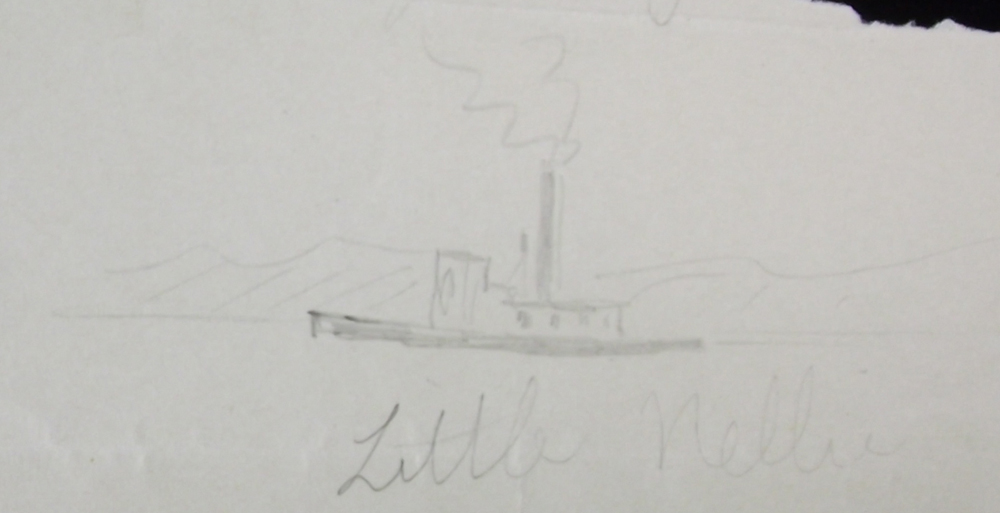 Full-size image
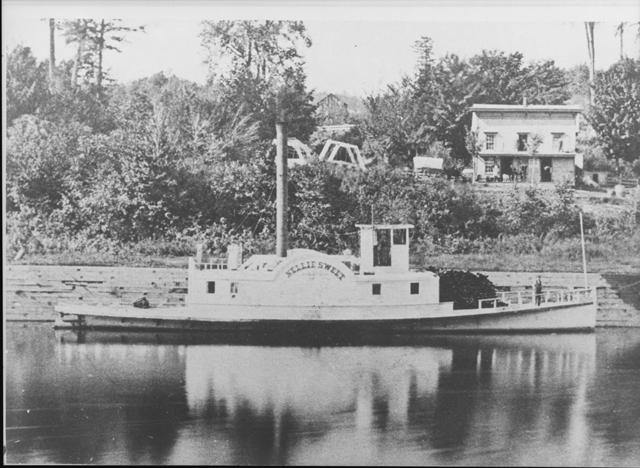 MS0091-03-02-2108A
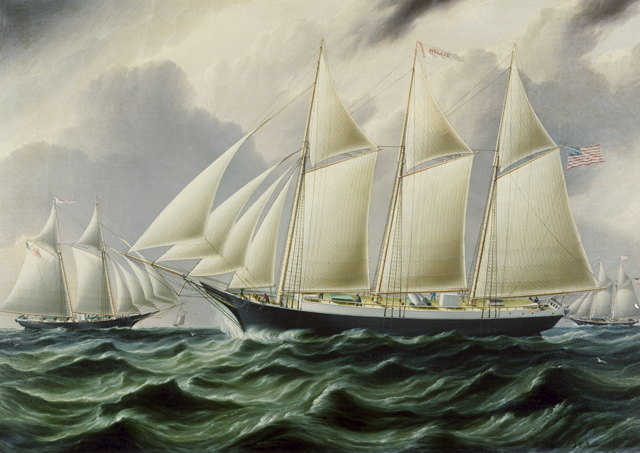 1947.0745.000001
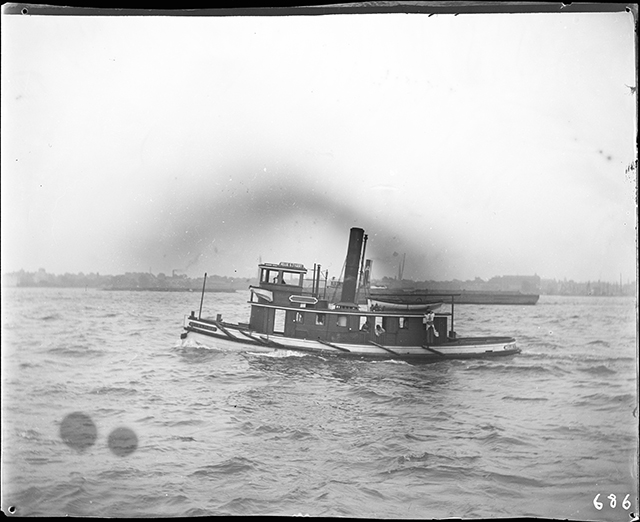 MS0094-686 Nellie S Tygert
 MS0168 - 00004
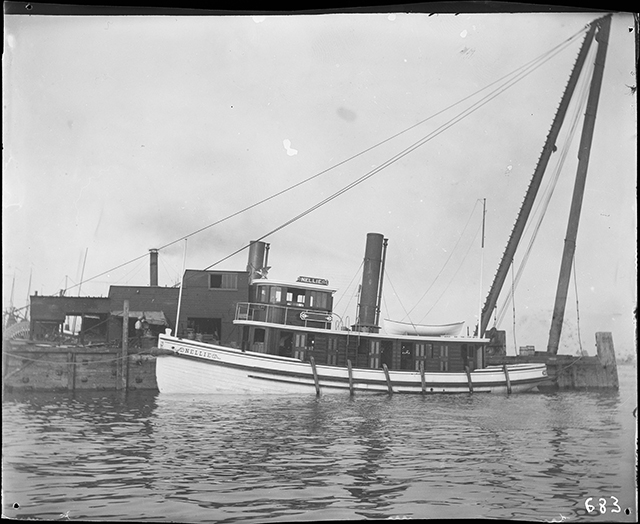 MS0094-683 Nellie
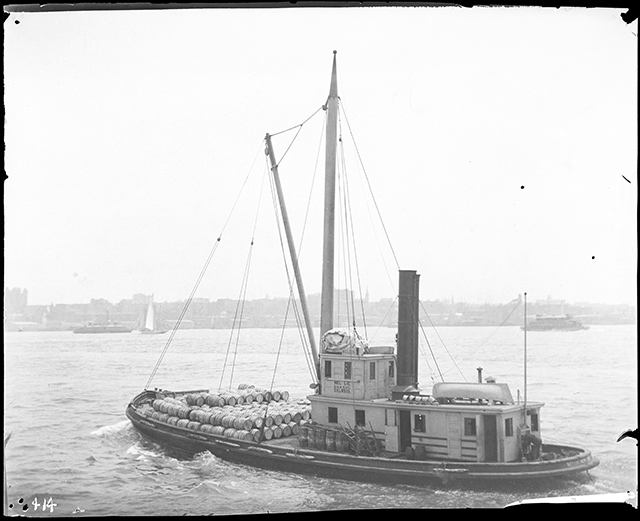 MS0094-414 Nellie 1
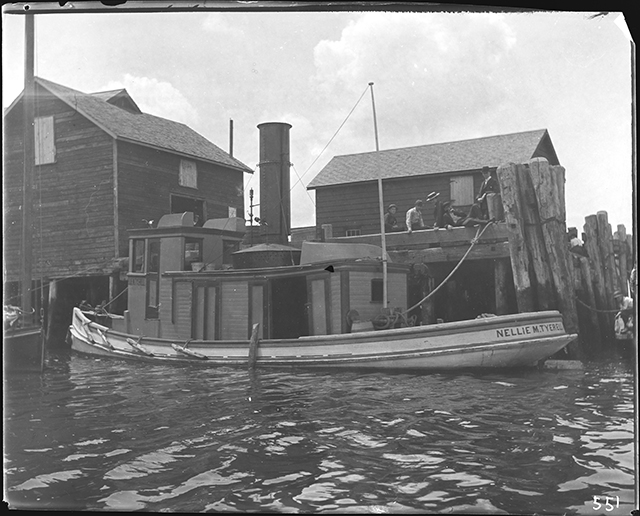 MS0094-551 Nellie M Tyrell
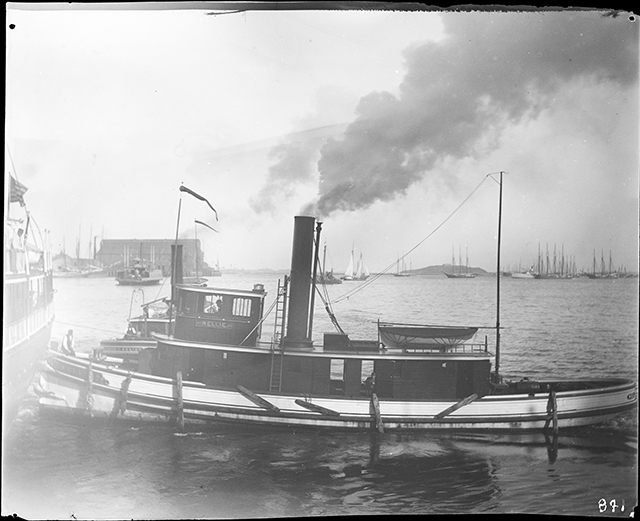 MS0094-841 Nellie
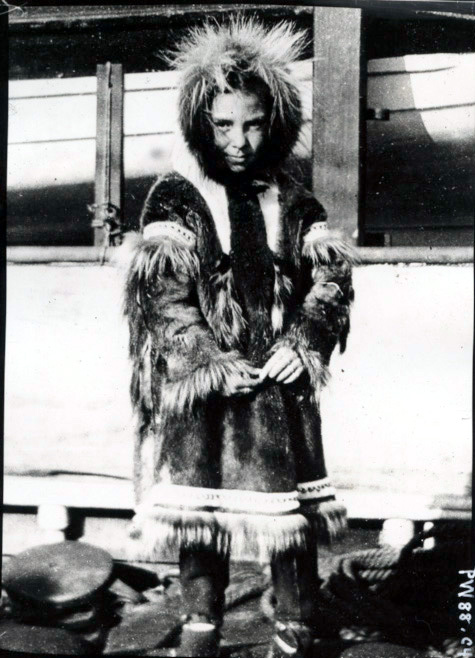 Full-size image
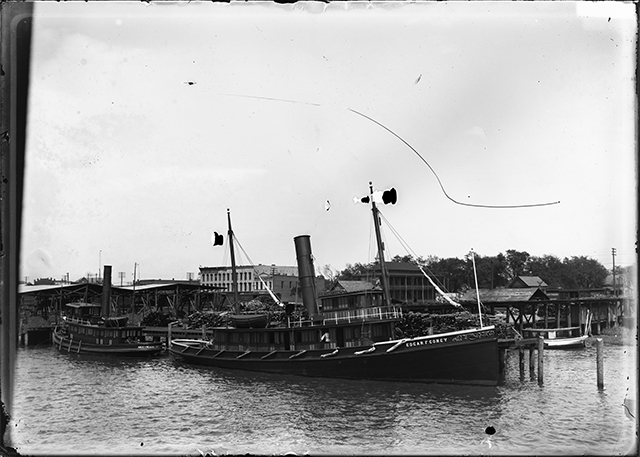 MS0095-0462
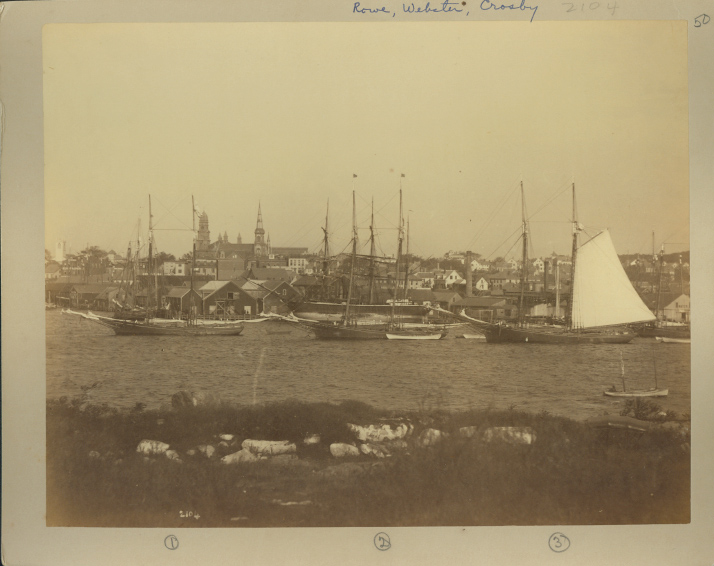 Full-size image
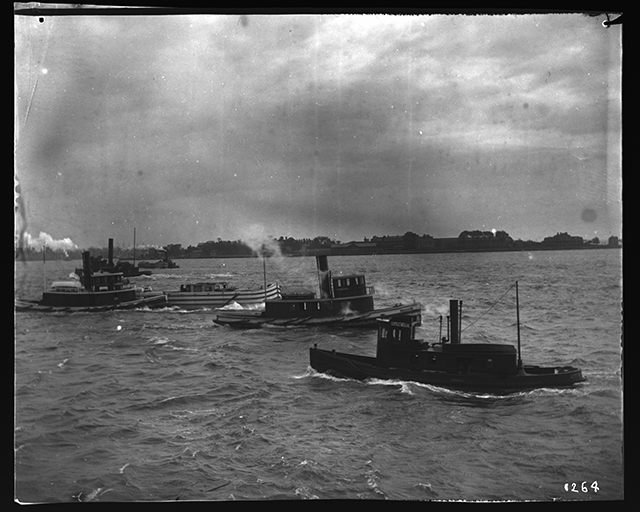 MS0094-1264 Little Nellie
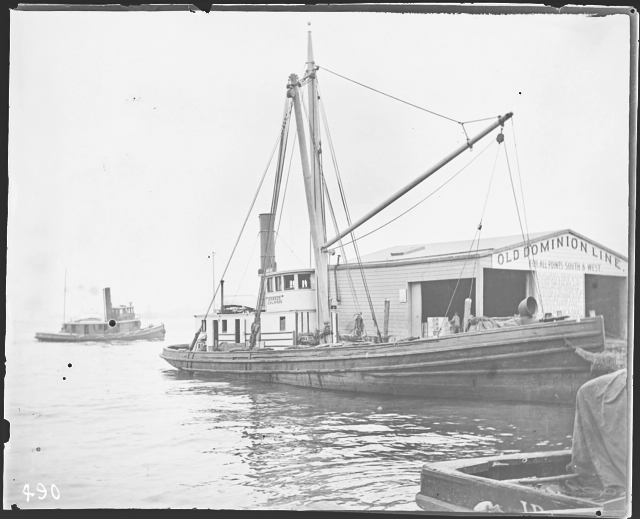 MS0094-490 Commodore
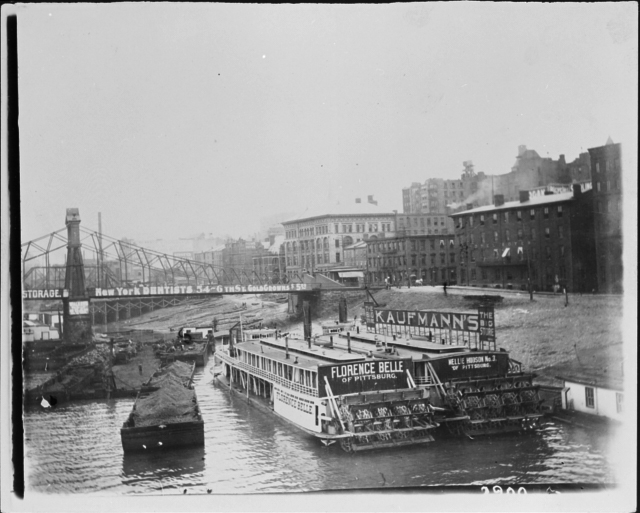 PH3797 Florence Belle
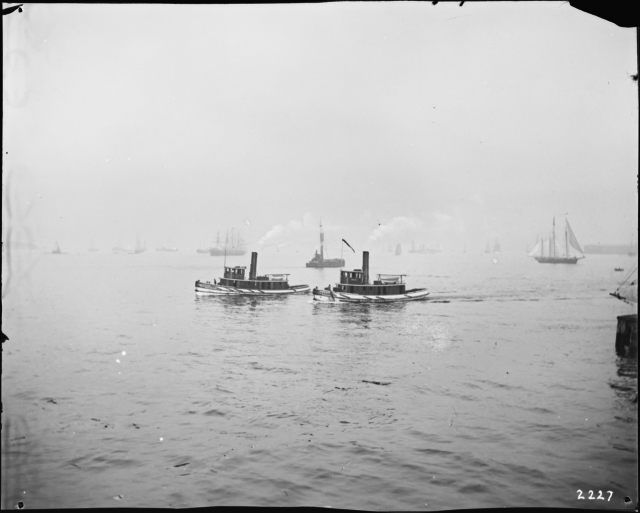 MS0094-2227 Blanche
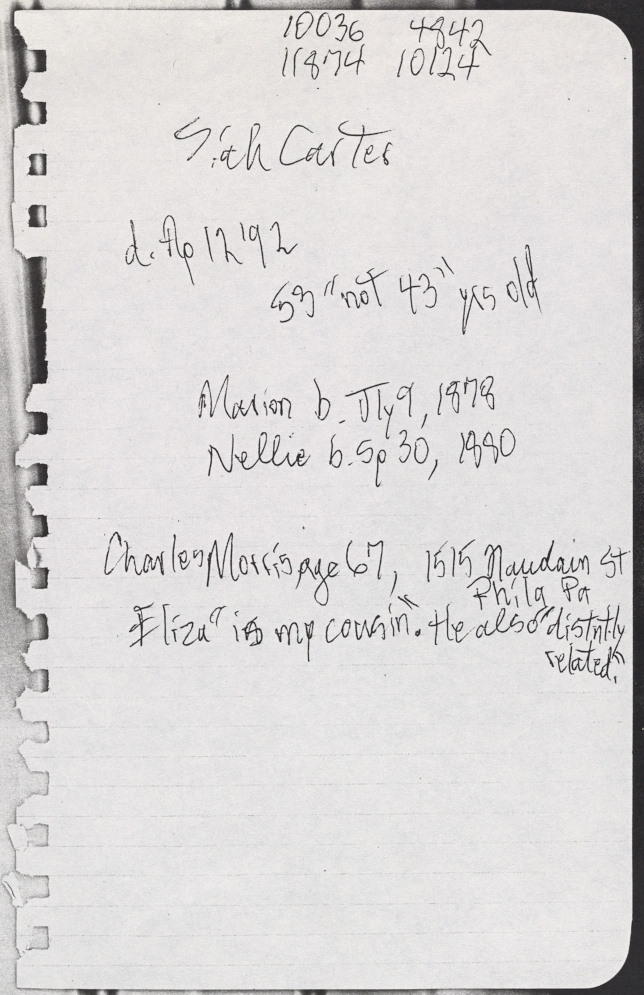 MS0164-001-01-001-09.15
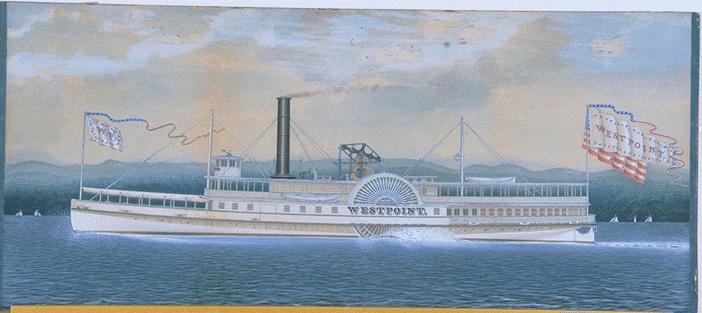 Full-size image
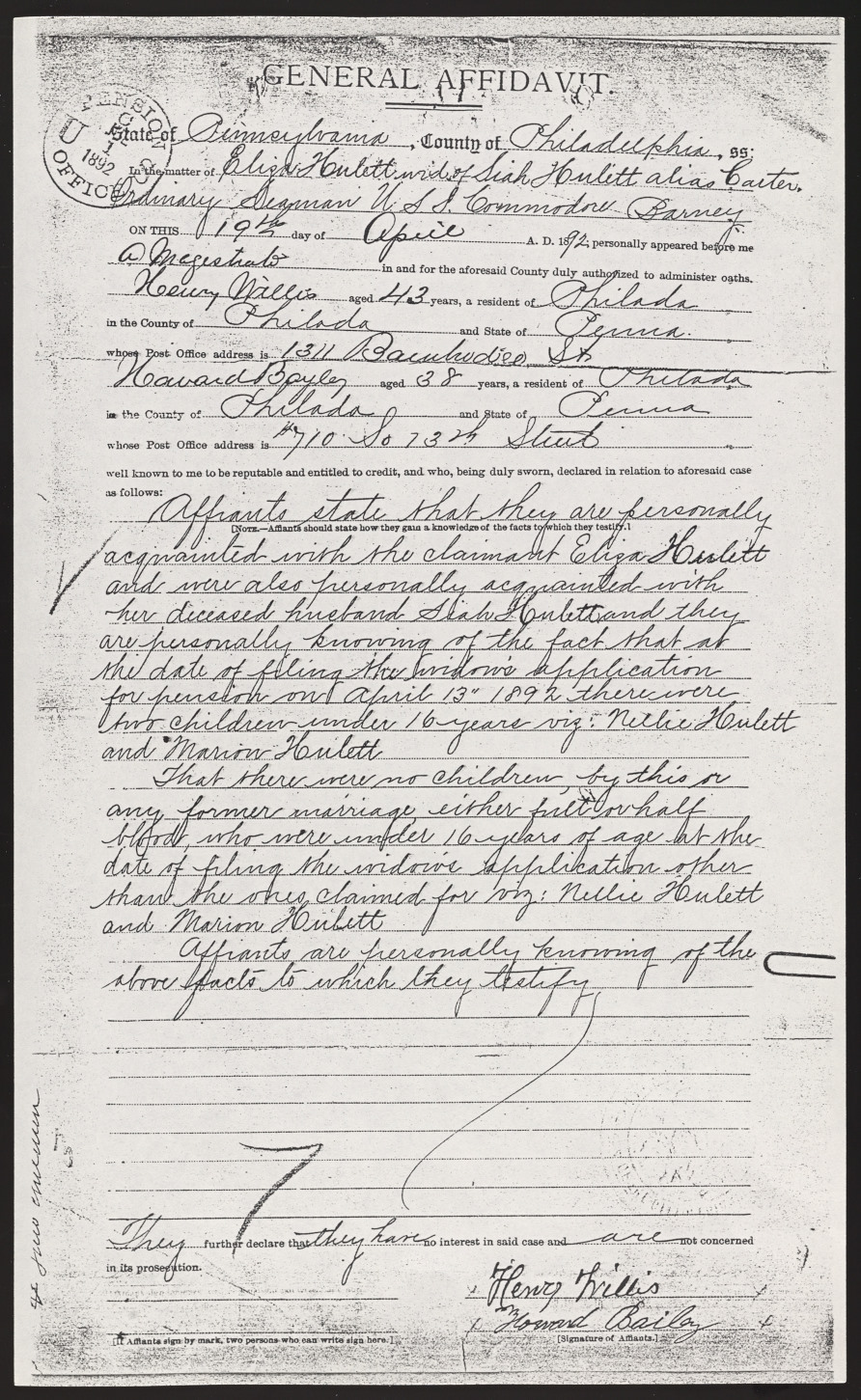 MS0164-001-01-001-09.06
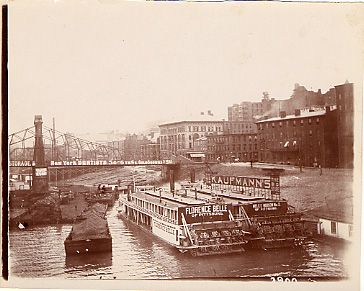 Full-size image
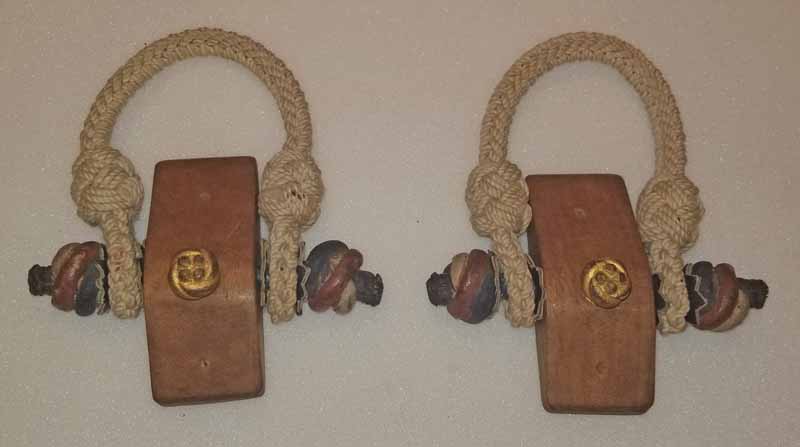 i9
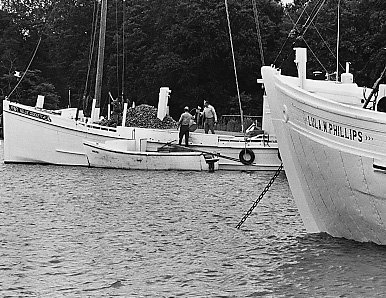 Full-size image
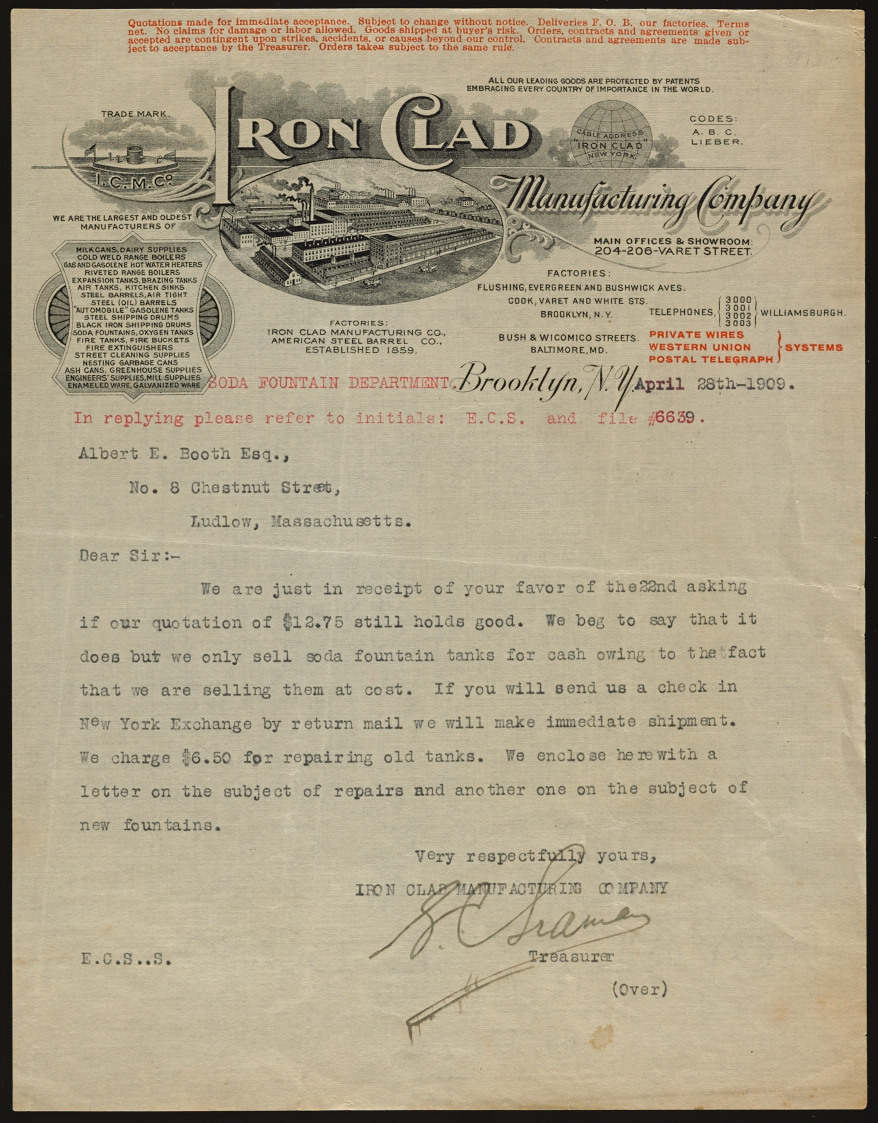 MS0438-01-06.01
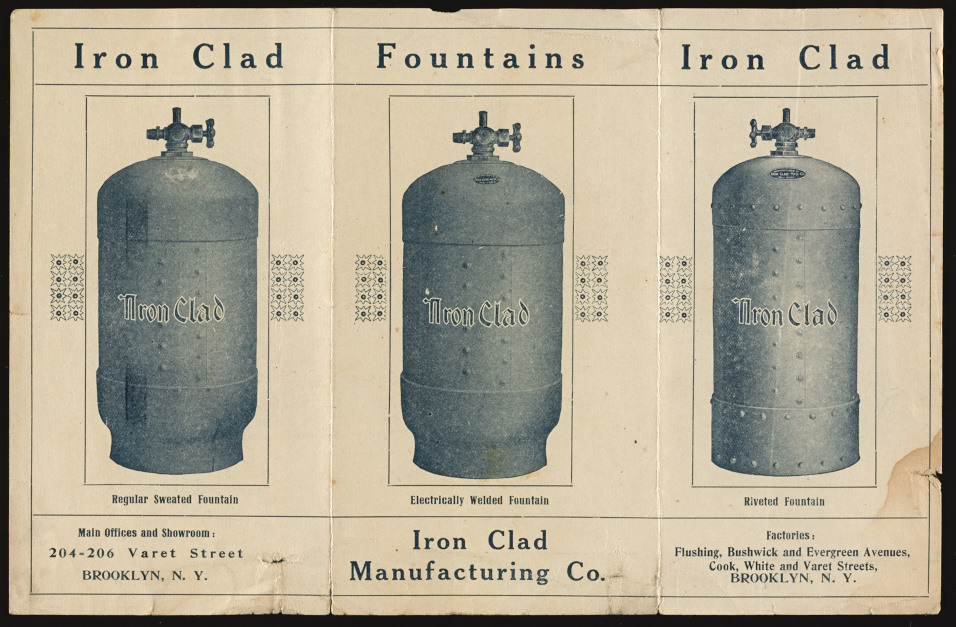 MS0438-01-07.01_01
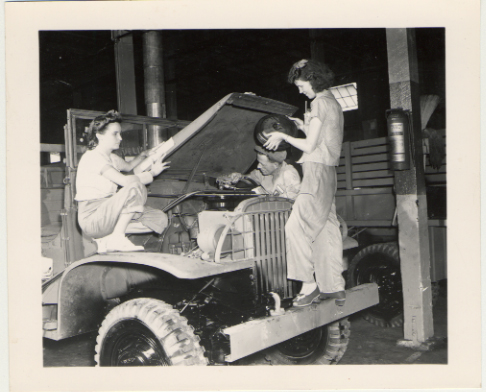 8732
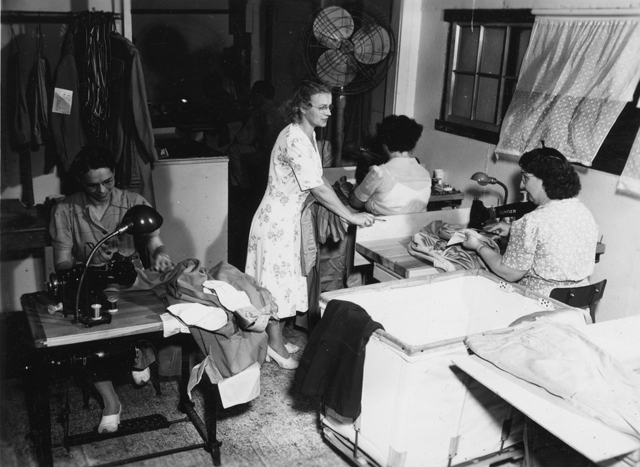 H14923PXTAILOR
 P0003-01 - F-9825
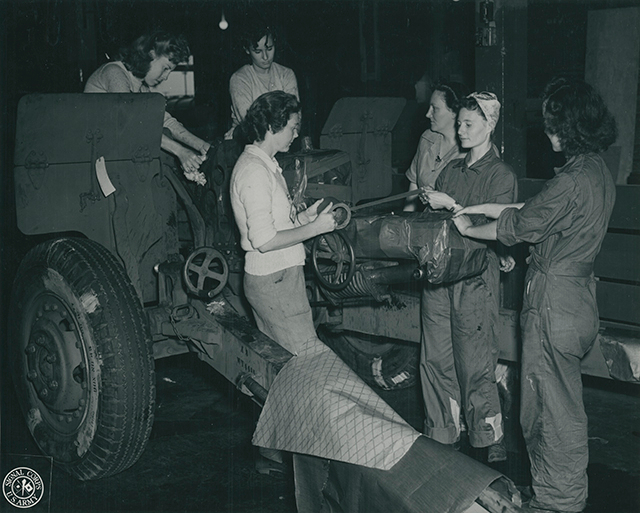 9828
 P0003-01 - B-8758
 P0003-01 - J-6382
 P0003-01 - B-8683
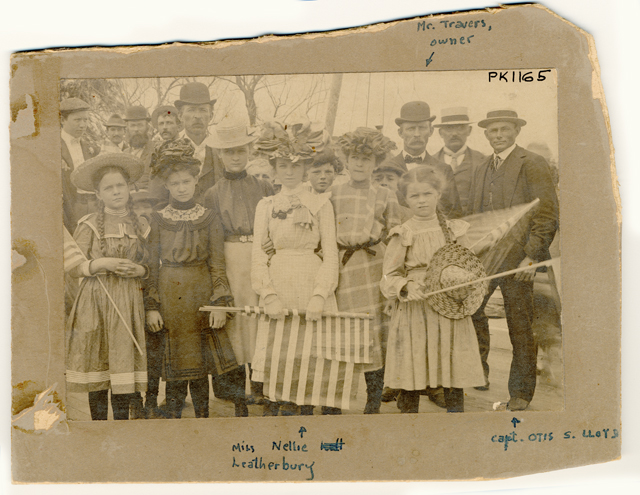 Full-size image
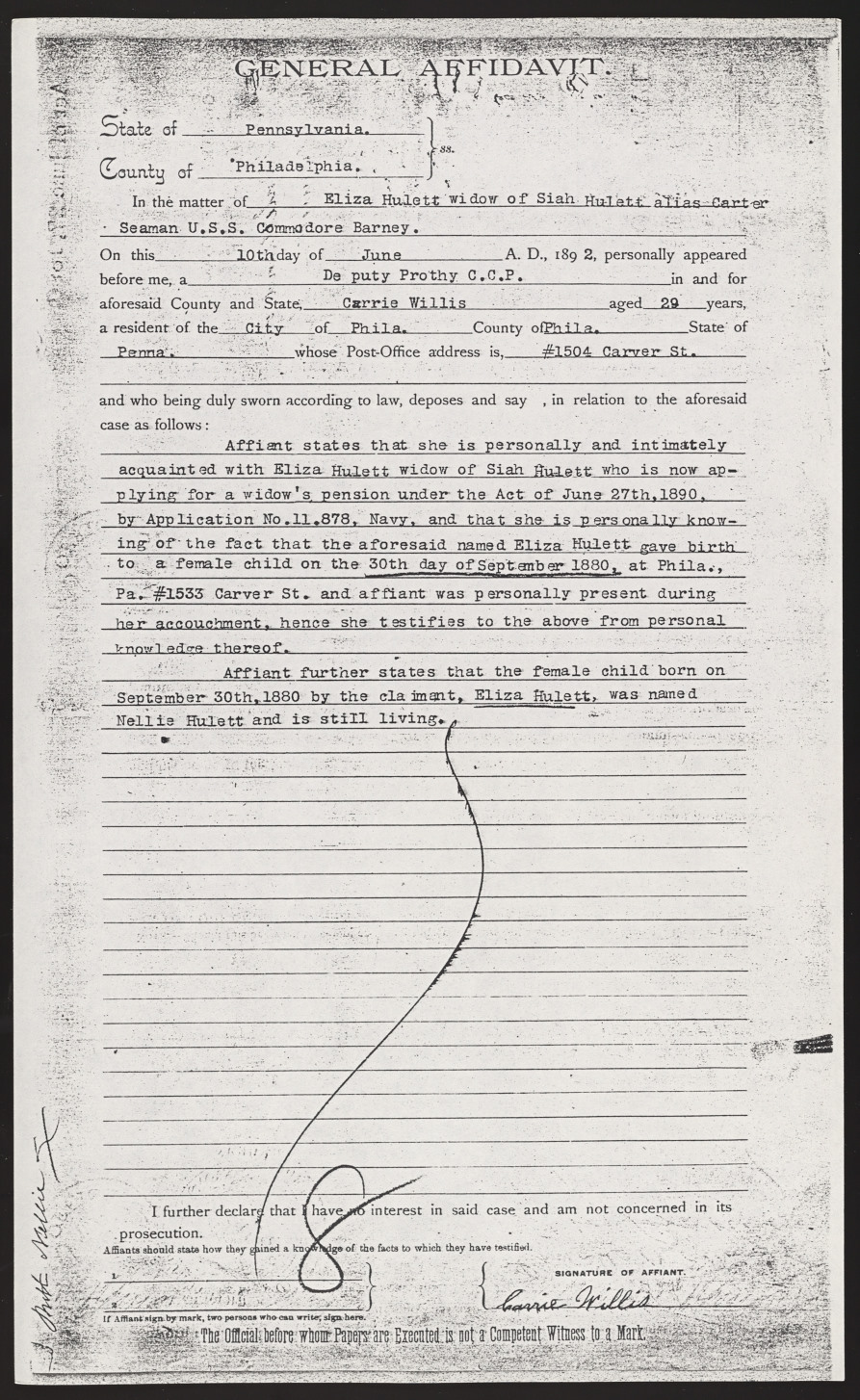 MS0164-001-01-001-09.05
 P0003-01 - K-13122
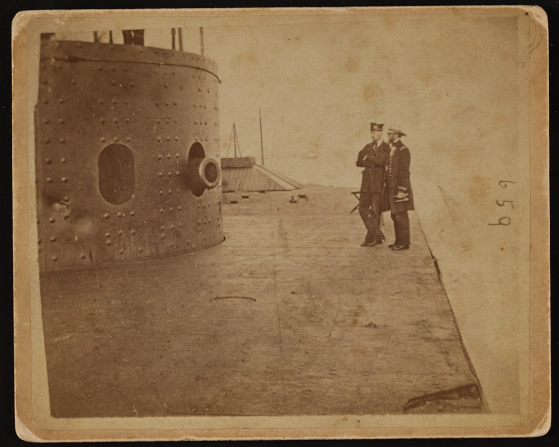 MS0164-001-02-003-04.02_01
 P0003-01 - F-9827
 P0003-01 - L-7876
 P0003-01 - E-9904
 P0003-01 - J-6380
 P0003-01 - J-6381
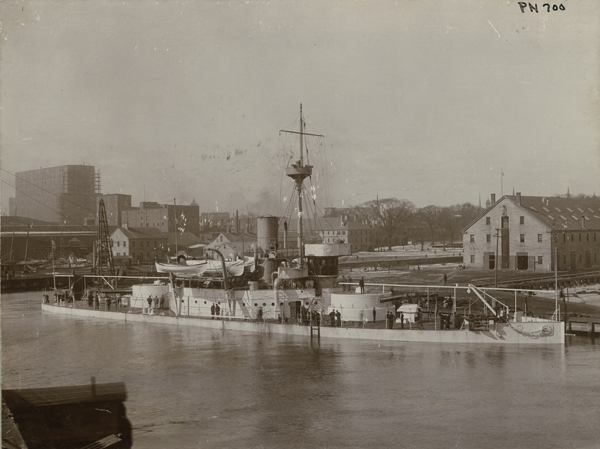 PN700 USS Amphrite
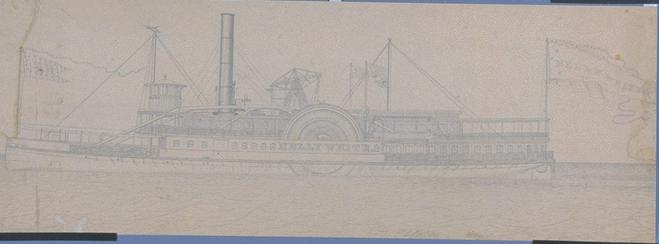 Full-size image
 P0003-01 - E-13693
 P0003-01 - L-14046
 P0003-01 - L-14049
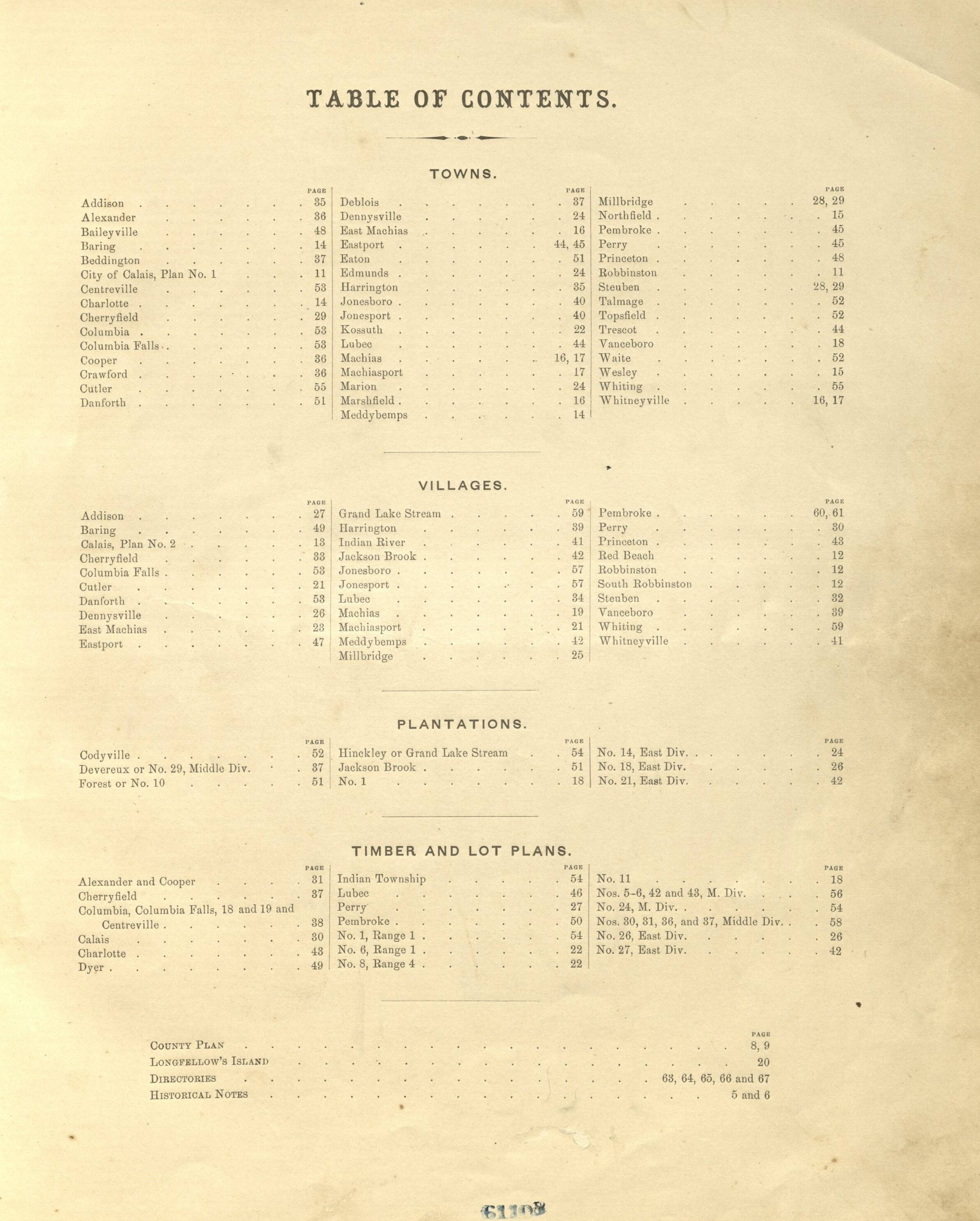 KIC Image 1
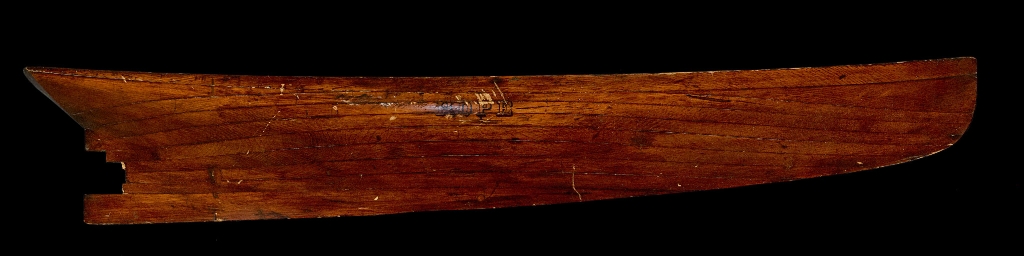 2020.0014.000015_1[1]
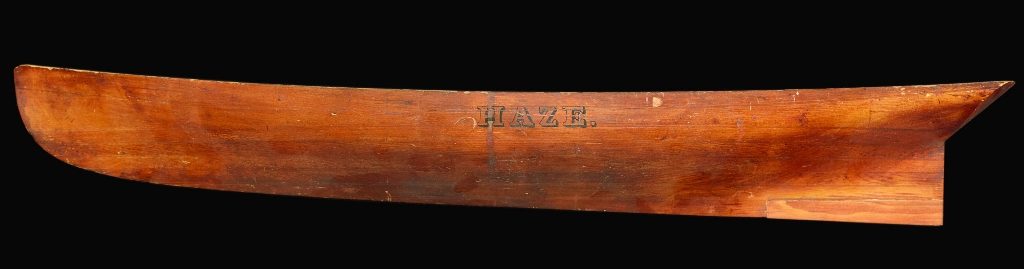 2020.0014.000007[1]